World Lung Day 2026: Breathe Better Live Better
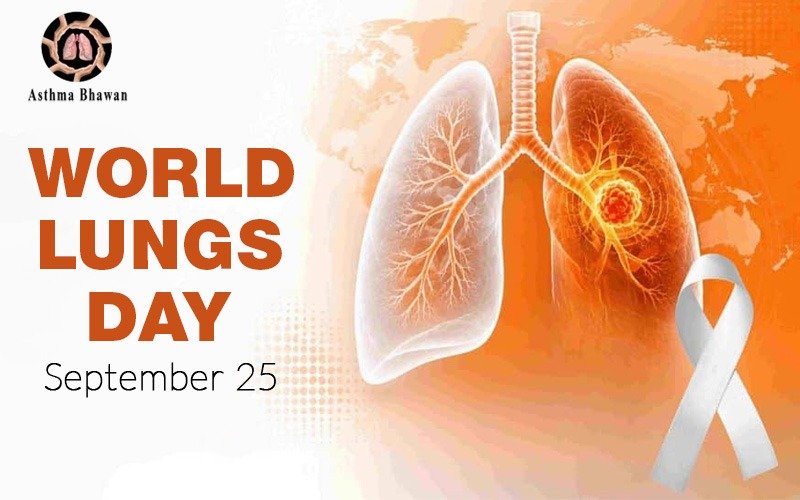
Every year on September 25, the world observes World Lung Day, a movement to increase awareness of lung health and the pressing need to lessen the burden of respiratory illnesses. The day, which was started by the Federation of International Respiratory Societies (FIRS) and its partners, promotes action on important issues including smoking, air pollution, and healthcare access while highlighting the vital role that healthy lungs play in overall welfare. In order to enhance lung health globally, World Lung Day acts as a call to action for governments, organizations, and individuals to band together and support prevention, research, and fair access to care.
On World Lung Day 2026, Asthma Bhawan highlights the importance of healthy lungs and better breathing. Lung health is crucial to general wellbeing because our lungs are constantly working to supply the oxygen our bodies require. On this day, individuals are encouraged to be aware of respiratory symptoms such as wheezing, persistent coughing, and difficulty breathing, and to seek prompt medical assistance when necessary. Maintaining a smoke-free lifestyle, reducing exposure to air pollution and dust, staying physically active, and following a healthy routine can support better lung health.
What is Lung Health?
Lung health is the capacity of the respiratory system and lungs to maintain regular breathing and operate efficiently. Gases are exchanged between our bloodstream and the air we breathe through the lungs. Diseases that damage the airways, lung tissue, or other respiratory structures can make breathing difficult and cause symptoms including wheezing, coughing, chest pain, or dyspnea. While some respiratory disorders are transient, others are long-term and need constant care. Common conditions affecting lung health include:
- Asthma
- Chronic Obstructive Pulmonary Disease
- Lung Cancer
- Pneumonia
- Tuberculosis
- Respiratory Infections
- Pulmonary Hypertension
Why is World Lung Day Important?
World Lung Day offers a chance to highlight respiratory health and motivate people and communities to lower avoidable hazards. The day helps raise awareness about:
- Smoking and tobacco exposure
- Second-hand smoke
- Occupational exposure to dust, fumes, and chemicals
- Asthma and COPD
- Indoor and outdoor air pollution
- Lungs cancer
- Respiratory infection
- Timely diagnosis and treatment of tuberculosis
- Early recognition of respiratory symptoms
When to Consult a Lung Specialist?
Seeking advice from a pulmonologist can save small problems from becoming more serious. It might be time to consult a doctor if you see any of the following symptoms:
- Persistent cough that does not improve: A cough that lasts more than three weeks may indicate lung cancer, tuberculosis, or chronic bronchitis, especially if it is dry, produces phlegm, or has blood in it. These symptoms should never be disregarded.
- Shortness of breath during routine activities: Breathlessness during short walks, climbing stairs, or performing daily activities may be a sign of interstitial lung disease, COPD, or asthma. This is especially concerning if the shortness of breath worsens over time.
- Frequent or recurrent chest infections: If you have recurrent episodes of pneumonia, bronchitis, or persistent chest congestion, your lungs may not be able to fight off infections, which could indicate compromised lung health.
- Wheezing or noisy breathing: A whistling, rattling, or squeaky sound when you breathe could indicate a respiratory tract blockage, asthma, or COPD-related airway narrowing. Early treatment can prevent further complications.
- Unexplained fatigue and chest discomfort: When the lungs are unable to provide the body with enough oxygen, it can result in persistent fatigue, decreased endurance, and a tightness or pressure in the chest. These symptoms may be linked to chronic respiratory illnesses or heart-related conditions.
- History of smoking or occupational exposure: Lung diseases are more common in smokers and people who work in areas with dust, fumes, chemicals, or asbestos. Even if there are no overt symptoms, routine examinations with a lung specialist are recommended.
How Can You Contribute to World Lung Day?
World Lung Day aims to promote global efforts to enhance lung health in addition to increasing awareness. Everyone can make a significant contribution, whether it's by supporting bigger projects or forming healthier habits. Here are a few methods to participate:
- Spread Awareness about Lung Health: Giving others accurate information about common lung diseases, their symptoms, and ways to avoid them might help them identify problems early.
- Encourage Smoke-Free Environments: Children, the elderly, and persons with pre-existing lung diseases are particularly vulnerable to the negative effects of secondhand smoke.
- Promote Clean Air Initiatives: One of the main causes of lung issues is air pollution. Cleaner air can be achieved by supporting pollution-reduction programs, implementing eco-friendly habits like taking public transportation, cutting down on idling, and planting trees.
- Support People Living with Lung Diseases: Many individuals with chronic lung conditions feel isolated due to their health struggles. Their quality of life might be enhanced by providing assistance through community organizations, volunteering at medical events, or just demonstrating compassion and understanding.
- Participate in Health Screenings and Check-Ups: Promoting regular spirometry tests and lung examinations, particularly for smokers and pollution-exposed individuals, can help identify and treat lung conditions earlier.
- Advocate for Stronger Health Policies: More broadly, citizens can help by funding government initiatives to lower pollution, increase healthcare access, and support research on lung diseases.
- Make Personal Lifestyle Changes: Maintaining healthy lungs starts with individual habits. Staying physically active, eating a nutritious diet, practising breathing exercises, and avoiding harmful exposures can go a long way.
World Lung Day promotes lung health and respiratory disease prevention.
World Lung Day is observed on September 25, 2026.
It encourages people to understand lung health, recognize symptoms, and seek timely medical care.
Stay physically active, avoid smoking, reduce exposure to air pollution, and maintain a healthy lifestyle.
Avoid tobacco smoking, get vaccinated as advised, limit your exposure to pollutants, and seek medical attention if your symptoms don't go away.