COPD Explained: What It Is, When to Worry, and When to See a Doctor
A progressive illness that impedes airflow, chronic obstructive pulmonary disease (COPD) is a major cause of morbidity and mortality globally, including in India. A significant number of people are at risk due to traditional risk factors, including smoking and exposure to biomass fuels, as well as gradually increasing air pollution. The causes, symptoms, diagnostic procedures, and treatment phases of COPD disease must all be understood by patients, families, and medical professionals.
Asthma Bhawan, a leading center for respiratory and allergy care in India, provides a comprehensive and patient-focused guide for managing COPD (Chronic Obstructive Pulmonary Disease). According to the specialists at Asthma Bhawan, chronic obstructive pulmonary disease (COPD) is a chronic lung disease that makes breathing difficult and is frequently brought on by smoking, air pollution, or prolonged exposure to toxic chemicals. Their strategy helps patients manage symptoms and avoid flare-ups by combining lifestyle changes, pulmonary rehabilitation, individualized treatment programs, and cutting-edge diagnostic techniques.
What is COPD?
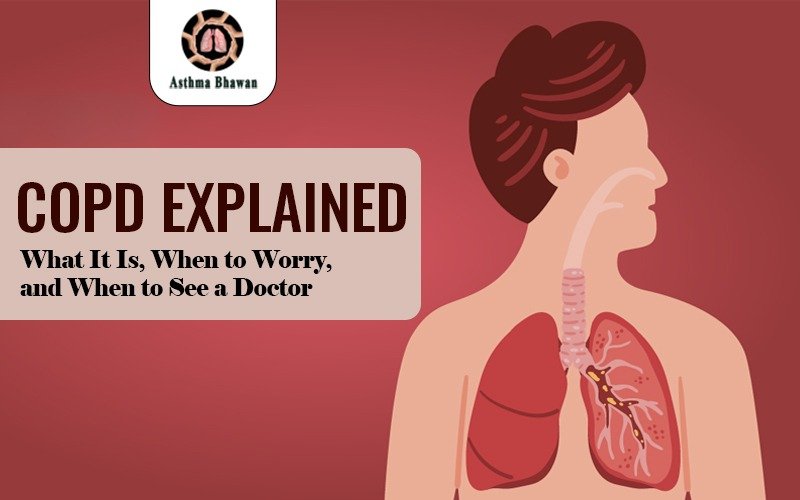
In essence, COPD is a group of progressive lung diseases that obstruct airflow, making breathing more difficult. In contrast to acute respiratory conditions, chronic obstructive pulmonary disease (COPD) is anticipated to cause persistent breathing difficulties. The condition is not curable; however, it is very preventable and treatable. Although the majority of the harmful effects of COPD cannot be reversed, they often get worse with time. The two specific conditions that are lumped together to describe COPD are
- Chronic Bronchitis: A cough that produces mucus (sputum) for at least three months of the year for two years in a row is the outcome of this ailment, which is caused by inflammation and swelling of the bronchial tubes (the tubes that carry air to and from the lungs).
- Emphysema: The lungs’ air sacs, or alveoli, are eventually destroyed by this ongoing process, which reduces their elasticity and causes internal rupture. The air leaves behind bigger, less efficient air holes in the lungs once the thin walls of the air sacs are removed, which reduces the surface area available for oxygen absorption.
Despite different disease processes, persistent airflow limits are a common experience for all people with COPD.
Recognizing the Signs: COPD Symptoms
In most cases, COPD symptoms start off slowly and get worse over time. Most people with COPD start to have symptoms early on, but they frequently write these off as “aging” or the result of smoking in the past, or both. This delay can meaningfully postpone diagnosis and treatment. Among the typical signs of COPD are :-
- Shortness of Breath (Dyspnea): Breathlessness is the primary sign of COPD. This symptom is common in patients with COPD, especially when they are physically active. Dyspnea can strike a person with COPD before the illness adversely affects their quality of life. For instance, shortness of breath may only occur during intentional physical activity (such as running) in the early stages of the disease, but as it progresses, it may happen with little effort or even while at rest, indicating severe disease.
- Chronic Cough: Chronic coughing is a frequent symptom of COPD. A common description of a persistent cough is “smoker’s cough.” Sputum from the cough may be clear, white, yellow, or greenish, or it may be dry.
- Wheezing: The whistling or squeaky sound produced when breathing is known as wheezing, and it is frequently brought on by the airways narrowing.
- Chest Tightness: This term describes a feeling of pressure or tightness in the chest.
- Frequent Respiratory Infection: Colds, the flu, and pneumonia are more common in people with COPD, and they can significantly impair lung function.
- Fatigue: Low oxygen levels and the effort required to breathe can both contribute to fatigue.
COPD Diagnosis: How is COPD Diagnosed?
A combination of the patient’s medical history, physical examination, and lung function tests is used to diagnose COPD. Usually, the assessment will comprise
- Medical History: Your history of smoking, exposure to chemicals or dust at work, family history of lung illness, and the duration of your symptoms will all be questioned by the doctor.
- Physical Examination: Although a physical examination alone cannot diagnose COPD, a clinician can identify symptoms such as wheezing, delayed exhalation, or barrel chest, which is caused by the lungs overinflating.
- Spirometry: This is the gold standard for COPD diagnosis. Spirometry is a straightforward, noninvasive lung function test that gauges how much air you can exhale and how rapidly.
COPD Treatment & Management
COPD management and treatment can significantly alleviate symptoms, improve quality of life, decrease the frequency and intensity of exacerbations, and delay the progression of the illness, even though there is presently no cure for COPD.
- Smoking Cessation
The most crucial and successful step in managing COPD is to stop smoking if you currently do. In addition to lowering symptoms, lowering the chance of exacerbations, and slowing the rate at which lung function deteriorates, quitting smoking can also help one retain improved general health. Numerous support systems, including behavioral therapy, medicine, and nicotine replacement therapy, are available to help people stop smoking.
- COD Medications
The main goals of the drugs used to treat COPD are to expand the airways, reduce inflammation, and stop flare-ups. Typically, these drugs are administered by inhaler, which enables the drug to enter the lungs directly.
A chronic lung illness, COPD is characterized by breathing difficulties brought on by long-term damage to the airways, typically by pollution or smoking.
Breathlessness, persistent coughing, mucus production, and exhaustion are typical symptoms.
Although smoking is the main cause, COPD can also result from prolonged exposure to dust, chemicals, and air pollution.
No, COPD is incurable, although its symptoms can be effectively controlled with the right care and lifestyle modifications.
Medication, oxygen therapy, inhalers, pulmonary rehabilitation, and smoking cessation are all part of treatment.