
Understanding the Link Between Asthma and Diet

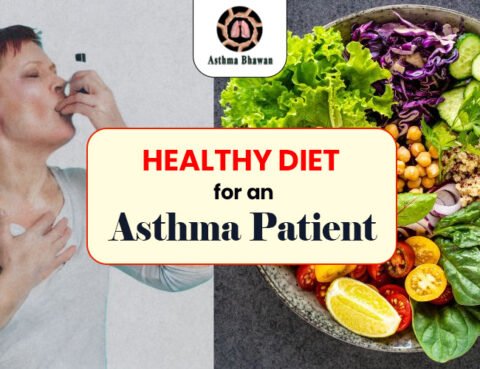
Asthma is a condition where inflammation in the airways makes breathing difficult, and diet plays a precise yet significant role in its management. Over time, some foods may help lessen asthma symptoms by reducing inflammation in the body, particularly those high in antioxidants, vitamin C, and omega-3 fatty acids. On the other hand, sugary drinks, processed foods, and foods high in preservatives may trigger or worsen flare-ups in some individuals. Understanding the link between your diet and how it affects your breathing can help you make thoughtful decisions that promote lung health, lessen asthma triggers, and enhance your quality of life in general.

At Asthma Bhawan, we emphasize a holistic approach to asthma care, and diet plays a vital role in this journey. According to research, some foods may cause or exacerbate asthma symptoms, while others may help lower airway inflammation and promote improved lung function. By emphasizing a balanced diet full of fruits, vegetables, whole grains, and omega-3 fatty acids and cautioning against processed and allergen-rich foods, our guide to the relationship between diet and asthma assists patients in making educated food choices. By aligning dietary habits with asthma management, Asthma Bhawan aims to empower individuals to breathe easier and live healthier, active lives. 

Is there an asthma Diet?

Asthma does not require a particular diet. Although further research is required to establish this, it is likely that eating more or less of a certain meal could help with asthma symptoms. However, a healthy diet is a key component of both your asthma treatment and general health. Maintaining a healthy weight can help you manage your asthma symptoms. Additionally, it will provide you with a wealth of antioxidant elements that can help reduce inflammation or swelling in your lungs.

Asthma and Nutrition

Some research studies believe that our food may be a contributing factor to the rise in asthma cases in the United States over the past few decades. Consuming less fresh fruits and vegetables and more processed foods may be the cause. In asthma, body weight is a major factor. Obesity and excess weight can exacerbate asthma by increasing inflammation in the body. Additionally, carrying extra weight might strain your lungs and make breathing more difficult. Additionally, it may make exercising more difficult, which is crucial for asthma management. Although the exact causes are unknown, research indicates that being underweight also raises your risk of developing asthma.  

There is proof that asthma symptoms can be reduced by consuming a diet richer in particular nutrients, such as beta carotene, flavonoids, magnesium, selenium, omega-3 fatty acids, and vitamins C and E. Many of these nutrients are antioxidants, which lower inflammation and shield cells from harm. Avoiding foods to which you are allergic is also crucial because they might exacerbate asthma. Additionally, you should ensure that you are not deficient in any nutrients that may aggravate your asthma. For example, it's likely that inadequate vitamin D intake could exacerbate your asthma. The best person to ask about potential vitamin deficiencies is your doctor. 

Healthy eating is important for everyone, but it's especially important for those who have long-term illnesses. Insufficient nutritional intake may increase your risk of sickness and make it more difficult for you to fight off respiratory infections that frequently cause asthma attacks or severe asthma emergencies.

What Should I Eat to Prevent Asthma? 

Follow these nutritious diet tips to lower your risk of asthma:

  • Eat Plenty of Fruits and Vegetables: Leafy greens like bell peppers, spinach, broccoli, blueberries, sweet potatoes, raspberries, and avocados are among the healthiest foods.
  • Eat Foods with Omega-3 Fatty Acids: Fish like sardines, salmon, and tuna are rich in omega-3 fatty acids, which can help lower inflammation in the body.
  • Avoid Processed Foods: These tend to be high in added sodium, sugar, and saturated fat, and low in nutrients. Consuming a lot of processed food has been connected to weight gain and poorer general health.
  • Get Enough Vitamin D: Food sources include fish, eggs, and milk.
  • Eat Fiber and Lean Protein: Fiber from fruits, vegetables, and whole grains, together with lean protein from foods like beans, light-meat chicken, fish, and tofu, can help you control your weight.

What Else Affects Asthma Symptoms?

Additional considerations when eating for asthma include:

  • Keep your Calories in Balance: You will gain weight if your caloric intake exceeds your energy expenditure. Being overweight increases the likelihood of experiencing more severe symptoms of asthma.
  • Know your Food Allergies: Asthma symptoms can worsen when you eat items to which you are allergic.  
  • Avoid Sulfites: Wine, dried fruits, pickled vegetables, fresh and frozen shrimp, and other foods contain these chemical preservatives, which might worsen asthma symptoms.
  • Treat Gastroesophageal Reflux Disease (GERD): GERD, or reflux of stomach acid, can make it difficult to regulate asthma and affects up to 80% of asthmatics. Taking medication may be necessary if you have GERD. Reducing your weight can also help GERD if you are overweight. Along with reducing your intake of alcohol, caffeine, and other foods that you find aggravate your GERD symptoms, you should also try eating smaller meals. Steer clear of eating right before bed.

Living with Asthma: Tips for Better Nutrition

Here are some suggestions for those who experience poor appetite and exhaustion due to asthma symptoms or medication:

  • Breathe evenly while you are chewing and eating: When eating, try to relax and take a break if you need to catch your breath.
  • Double or triple your favourite recipes and freeze the extra portions: When you don't feel like cooking, try these DIY frozen dinners.
  • Don’t stand in the kitchen when you can sit: You can chop, cut, and mix at the kitchen table or keep a barstool by the counter.

Stay Fit this Monsoon: Dr. Nishtha Singh from Asthma Bhawan Shares Essential Tips for Lung Health

The monsoon showers provide respite from the intense heat, but they also increase humidity and irritants, which can negatively impact your respiratory health. Dr. Nishtha Singh, a pulmonologist from Asthma Bhawan, Jaipur, highlights the increased risk of asthma and other respiratory ailments during the rainy season and shares valuable tips to help you stay fit and breathe easy.

Dr. Nishtha Singh says that the monsoon season produces a damp atmosphere that is perfect for the development of germs, viruses, and mold. This leads to a significant rise in cases of asthma, Chronic Obstructive Pulmonary Disease (COPD), pneumonia, bronchoscopy, and respiratory tract infections. Individuals with weakened immune systems or pre-existing lung diseases are particularly at risk. Pollution, wet air, and temperature changes can cause wheezing, dyspnea, allergic reactions, and even severe asthma episodes.

What to Avoid in Monsoon Season?


1. Avoid Damp Clothes and Wet Shoes

Respiratory allergies and fungal infections can be brought on by dampness. Always make sure your garments are completely dry, and as soon as you can, get out of your damp clothes.

2. Avoid Fast and Roadside Food

Although street food can be alluring, the humid atmosphere frequently contaminates it, resulting in food poisoning and diseases that can compromise your immune system.

3. Limit Exposure to Pollution

Try to stay indoors during high humidity or when pollution levels spike.

4. Avoid Staying in Moisture-Prone Places

Respiratory disorders can be exacerbated by spending time in basements or poorly ventilated spaces where mold growth and humidity are prevalent.

5. Avoid Smoking and Alcohol

Alcohol lowers immunity and smoking damages the lungs, making you more vulnerable to diseases during the monsoon season.

How to Keep Your Lungs Healthy this Monsoon?

1. Practice Breathing Exercises and Yoga

The respiratory system is strengthened and lung capacity is increased with regular yoga and pranayama.

2. Stay Physically Active

Engage in indoor workouts, stretching, or walking to keep your body fit. Engaging in physical activity promotes improved lung function and blood circulation.

3. Maintain Indoor Air Quality

Maintain a dry and well-ventilated home. Make sure the residence is free of mold and moisture, and use air purifiers if needed.

4. Wear a Mask in Crowded Places

Monsoon brings an increase in air pollution and infections. You can protect yourself from airborne illnesses and allergens by using a mask.

Living with asthma may be difficult, especially if it is not well-controlled. You can control it more easily by changing your diet and lifestyle. A healthy diet chart for an asthma patient focuses on nourishing the body while decreasing inflammation and supporting lung health. It includes plenty of fresh fruits and vegetables rich in antioxidants...
As monsoon arrives, the risk of respiratory infections, including COVID-19, tends to increase due to high humidity and waterborne infections affecting immunity. At Asthma Bhawan, we highlight extra caution for individuals with asthma and other respiratory conditions during this season. People who already have lung conditions may experience serious problems with COVID-19, so it's important...

Every year, on July 1st, Doctors' Day in India is celebrated as the birth anniversary of Dr. Bidhan Chandra Roy, a renowned physician and former chief minister of West Bengal. The day is an opportunity to acknowledge the contributions of our medical professionals towards society and show our appreciation for their dedication and hard work....

Every year on 14th June, World Blood Donor Day is celebrated to raise awareness about the significance of blood donation. The voluntary donation of blood by a donor to others in need is known as blood donation. Individuals who have been in major accidents or injuries, undergoing major surgery, or suffering from some health problems...

Every year, World No Tobacco Day is observed on 31st May to raise awareness about the dangerous and harmful effects of tobacco and to encourage individuals to quit smoking for a healthier life. Smoking is one of the prominent causes of preventable diseases, including heart disease, cancer, and respiratory problems. This day serves as a...
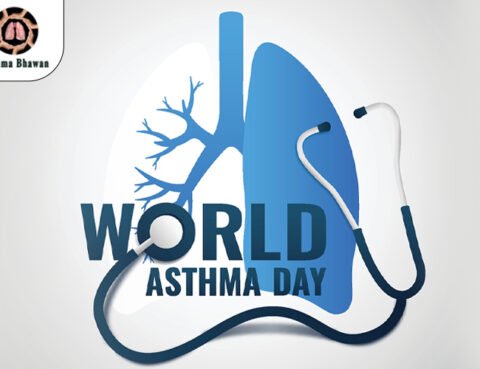
Every year, on May 6th, World Asthma Day is observed, serving as a global platform to increase awareness about asthma and improve the lives of those affected by this chronic respiratory condition. This day highlights the benefits of early diagnosis, education, and consistent management to diminish asthma-related complications. It motivates caregivers, individuals, and healthcare providers...
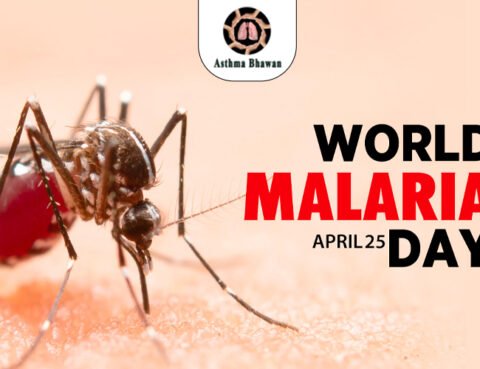
Every year on 25th April, World Malaria Day is observed to emphasize the global health observance and understand its benefits in the fight against malaria. It is a day to increase awareness about malaria and make efforts to manage and prevent the spread of this fatal disease. It serves as an opportunity to highlight advances...
Every Year, World Health Day is celebrated on 7th April, and it will kick off a year-long campaign on newborn and maternal health. The World Health Organization and partners will also share helpful and useful information to support healthy pregnancies, births, and better postnatal health. World Health Day is a prompt for communities, individuals, and...
For emergency cases        +91-141-2235005