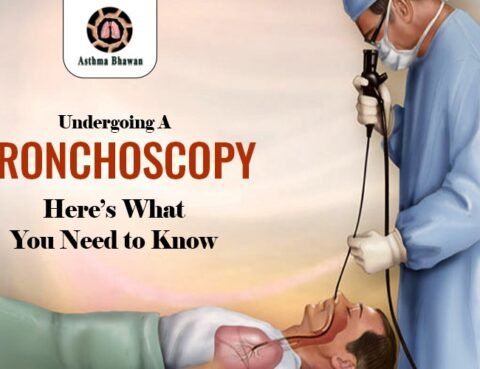
Undergoing A Bronchoscopy? Here’s What You Need to Know
Bronchoscopy is a minimally invasive procedure that allows a healthcare provider to look inside your airways and lungs. By identifying lung issues and providing treatment and a management plan, this diagnostic and therapeutic method serves as a window into the lungs. Doctors can see the respiratory system up close due to this device's light and camera. It can be used to remove foreign items, clear mucus, get tissue samples (biopsy), and identify lung illnesses, infections, tumors, or obstructions. Although some patients may have slight discomfort or coughing following the treatment, it is generally safe and less intrusive because it is typically performed under local anesthesia and sedation.
Asthma Bhawan provides a helpful and easy-to-understand guide on bronchoscopy for patients who need this procedure. During a bronchoscopy, a thin, flexible tube with a camera at the end allows medical professionals to view into your lungs and airways. At Asthma Bhawan, patients are guided step-by-step about what to expect before, during, and after the procedure. Doctors can use the test to determine the cause of infections, breathing issues, or any abnormal lung growths. The team at Asthma Bhawan guarantees that patients feel comfortable and safe, delivering treatment with skilled hands and describing everything in plain terms.
Why is Bronchoscopy Performed?
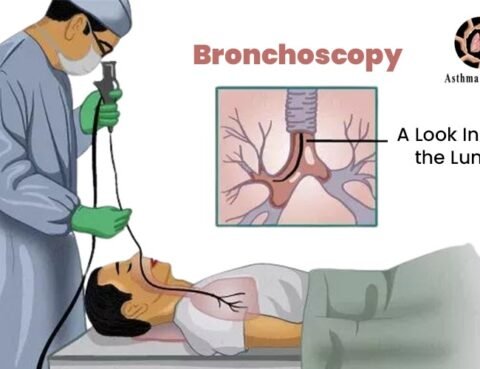
A narrow tube called a bronchoscope is placed into your mouth or nose, down your trachea, and into your larger airways. The end of it has a light and a camera that the doctor can use to see inside your lungs. Bronchoscopy serves multiple purposes:
Diagnosing: A bronchoscopy test can be used to view the condition of the lung tissue and bronchi. Thus, infection, inflammation, or other growths can be noticed. The reasons for persistent coughs, persistent infections, or localized lung abnormalities found in imaging examinations can be very helpful.
Removing lockages or Foreign Objects: Sometimes the airways are blocked by mucous plugs, foreign objects, or other obstructions. By clearing these blockages, bronchoscopy aids in reestablishing regular airflow.
Obtaining Tissue Samples (Biopsies): If a patient has certain lung disorders, a bronchoscopy is a good way to get tissue or fluid samples. These samples are taken to examine lung cancer, tuberculosis, or any kind of fungal infection for better treatment.
Treating Conditions: Bronchoscopy can also be therapeutic. It helps to expand constricted airways, control bleeding, and treat tumors. For these goals, a variety of methods can be employed, such as cryotherapy, stent implantation, or laser therapy.
Types of Bronchoscopy
Bronchoscopy can be performed using different instruments. It depends on one’s clinical condition.
- Flexible Bronchoscopy: The most prevalent kind is this one. It uses a thin and flexible tube containing a light and a camera at the end. Surgeons can go through the airways with ease because of this gadget. Biopsies and the removal of other minor impediments become hassle-free. Local anesthesia is typically used during flexible bronchoscopy procedures. As a result, this process guarantees a quicker recovery and is less invasive.
- Rigid Bronchoscopy: This procedure uses a straight and rigid tube. It is generally performed under general anaesthesia. Only in some circumstances is this procedure advised by a skilled pulmonologist. For instance, stopping severe bleeding or eliminating large foreign objects. More control is possible with rigid bronchoscopy. It is usually appropriate in cases of emergency or when a medical problem can be resolved with intensive therapeutic interventions.
The Bronchoscopy Procedure
You can feel less anxious if you know how a bronchoscopy works. This step-by-step guide will prepare you for what to expect.
- Preparation: It is frequently necessary for patients to fast for a few hours before the type of operation. To verify the necessity and safety of the procedure, certain imaging tests, such as a CT scan or chest x-ray, may be performed before it.
- Anaesthesia: To make the patient comfortable and anesthetize the throat during a flexible bronchoscopy, a sedative and local anesthetic are utilized. Due to its relatively invasive nature, rigid bronchoscopy is carried out under general anaesthesia.
- Insertion and Examination: The bronchoscope enters the lungs gradually through the mouth or nose. To observe the airways, the doctor uses an operative camera at the end of the bronchoscope to transfer images to a monitor. In this stage, investigations may be carried out that involve taking tissue samples and determining possible treatments.
- Recovery: After the surgery, patients are kept under observation until the anesthesia's effects subside. Usually, the patients get discharged in a while. However, for at least 24 hours, doctors advise against engaging in vigorous activity.
Risks Associated with Bronchoscopy
A few bronchoscopy side effects are also possible, just like with any other medical operation.
- Bleeding: Minor bleeding, particularly in cases of biopsies.
- Infection: Minimal chance of causing or worsening infections
- Pneumothorax: It’s a rare complication. The space between the chest wall and the lung is where the air seeps in. The lungs may possibly collapse as a result.
- Reactions to Anaesthesia: Adverse reactions to anaesthesia.
Aftercare Instructions
Following the advice of the medical professional is crucial for a speedy recovery following a bronchoscopy.
- Rest: Spend a day or two away from physically demanding activities. This will help your body heal more quickly.
- Hydration and Nutrition: After the anesthesia wears off, you can begin eating. However, avoid overeating. Eat small meals and drink lots of water to start.
- Symptoms Monitoring: Be vigilant for abnormal signs. This may include:
- Chest Pain
- Difficult Breathing, or
- Significant Bleeding
If any of these symptoms persist for a long time, consult your doctor.
COPD Explained: What It Is, When to Worry, and When to See a Doctor
A minimally invasive technique for diagnosing issues with your lungs or airways is bronchoscopy. A bronchoscope is used by medical professionals to examine your lungs and windpipe. Additionally, they can gather tissue samples for bronchoscope investigation using microscopic devices. Imagine having a bronchoscopy, which allows you to see within your lungs without getting any cuts. Doctors use a thin, flexible tube with a tiny camera on the end to observe what's happening inside your lungs and airways in this easy and safe medical procedure. Whether it’s a long-lasting cough, breathing trouble, or a suspicious shadow on an X-ray, bronchoscopy helps find answers.
At Asthma Bhawan, a trusted hospital for breathing and lung-related diseases, we use advanced tools like bronchoscopy to find out what’s really causing your symptoms. Bronchoscopy enables us to examine your airways more closely if you have issues like severe asthma, a persistent cough, chest infections, or trouble breathing. This test looks for blockages, edema, or infections inside the lungs using a narrow tube equipped with a tiny camera. Asthma Bhawan gives you not just treatment, but answers and a clear path to better lung health.
What is Bronchoscopy?
A bronchoscopy is a minimally invasive treatment that lets your doctor see inside your lungs and airways using a bronchoscope. A bronchoscope is a slender tube equipped with a camera and light. It can assist your healthcare professional in identifying, assessing, and occasionally treating disorders affecting your throat, trachea, or lungs.
Bronchoscopes can be either rigid or flexible:
- A bendable tube is called a flexible bronchoscope. Because it is easier to travel down your airway, providers utilize it more frequently. They use it to suction secretions, collect a tissue sample (biopsy), and maintain an open airway.
- A rigid bronchoscope is a firm tube. It is used by healthcare professionals when a big object becomes lodged in your airway or when more complex treatments are required, such as implanting stents or treating tumors or bleeding.
What Does a Bronchoscopy Diagnose?
To determine the cause of any lung issues you may be having, a medical professional could suggest a bronchoscopy. Some of the most common are:
- Following up on a CT (computed tomography) scan or X-ray that revealed potential cancerous findings.
- Evaluating and clearing obstructions or managing parts of your airways that have narrowed.
- identifying pulmonary conditions or other reasons for symptoms such as blood in the cough, dyspnea, or persistent coughing.
- Collecting tissue or mucous samples for laboratory analysis.
- Determining the underlying causes of infection or inflammation in the lungs.
- Putting in a stent, which is a tiny tube, to maintain your airway.
Test Details
How do I prepare for a bronchoscopy?
You will receive detailed instructions from your healthcare providers on how to get ready for a bronchoscopy. However, generally speaking, you will need to fast—that is, not eat or drink—for a specific period of time prior to the surgery. Additionally, you might need to stop taking blood thinners or diabetes drugs. Any vitamins, herbs, or drugs you use should be disclosed to your healthcare physician.
Do you need a CT scan before a bronchoscopy?
Your doctor would probably order a CT scan before a bronchoscopy unless there is an emergency. Your doctor can determine whether a bronchoscopy is necessary by using a CT scan of your lungs to assess lung diseases and conditions such as cancer or lung damage from cigarette smoking.
What Happens During a Bronchoscopy?
A bronchoscopy is usually performed as an outpatient operation by a pulmonologist in a hospital or surgical facility. This suggests that after the process, you can go back home. Usually, you are given some medication to make you comfortable and sleepy. Several biopsies and rigid bronchoscopies may require general anesthesia, or sleep. Your healthcare providers should be informed about the type of anesthesia that will be needed for your surgery.
These procedures are often followed during a bronchoscopy:
- A sedative is injected into your arm by your healthcare provider to aid in your relaxation.
- You prop your head up while lying on a table or bed.
- A numbing spray may be applied to your throat and mouth (or nose) by your healthcare provider. This lessens the pain you might experience when the bronchoscope is inserted.
- Your healthcare professional will numb the area and put you under sedation before inserting the bronchoscope through your mouth, nose, or a tube and down into the windpipe of your lungs while you are sedated.
- Since you won't be able to swallow, your healthcare provider may use a suction device to remove saliva or spit.
- The bronchoscope is carefully removed by your provider after the procedure. The medical team keeps an eye on you until you're completely conscious.
What Happens after a Bronchoscopy?
In most cases, the bronchoscopy is an outpatient procedure, so you won't have to stay overnight. After the surgery, you can usually return home in a few hours.
Following the surgery, you will be observed by your healthcare team to make sure you are breathing and swallowing correctly. After the treatment, your doctor may want to order a chest X-ray to look for any indications of trouble.
For as long as an hour, you can have a thumb throat. You may experience coughing, sore throat, or hoarseness for the next 24 hours. This can be aided by using cough pills. Most people are able to resume their regular activities the next day. If you should limit your activities in any way, your healthcare provider will advise you.

COPD Explained: What It Is, When to Worry, and When to See a Doctor
A progressive illness that impedes airflow, chronic obstructive pulmonary disease (COPD) is a major cause of morbidity and mortality globally, including in India. A significant number of people are at risk due to traditional risk factors, including smoking and exposure to biomass fuels, as well as gradually increasing air pollution. The causes, symptoms, diagnostic procedures, and treatment phases of COPD disease must all be understood by patients, families, and medical professionals.
Asthma Bhawan, a leading center for respiratory and allergy care in India, provides a comprehensive and patient-focused guide for managing COPD (Chronic Obstructive Pulmonary Disease). According to the specialists at Asthma Bhawan, chronic obstructive pulmonary disease (COPD) is a chronic lung disease that makes breathing difficult and is frequently brought on by smoking, air pollution, or prolonged exposure to toxic chemicals. Their strategy helps patients manage symptoms and avoid flare-ups by combining lifestyle changes, pulmonary rehabilitation, individualized treatment programs, and cutting-edge diagnostic techniques.
What is COPD?
In essence, COPD is a group of progressive lung diseases that obstruct airflow, making breathing more difficult. In contrast to acute respiratory conditions, chronic obstructive pulmonary disease (COPD) is anticipated to cause persistent breathing difficulties. The condition is not curable; however, it is very preventable and treatable. Although the majority of the harmful effects of COPD cannot be reversed, they often get worse with time. The two specific conditions that are lumped together to describe COPD are
- Chronic Bronchitis: A cough that produces mucus (sputum) for at least three months of the year for two years in a row is the outcome of this ailment, which is caused by inflammation and swelling of the bronchial tubes (the tubes that carry air to and from the lungs).
- Emphysema: The lungs' air sacs, or alveoli, are eventually destroyed by this ongoing process, which reduces their elasticity and causes internal rupture. The air leaves behind bigger, less efficient air holes in the lungs once the thin walls of the air sacs are removed, which reduces the surface area available for oxygen absorption.
Despite different disease processes, persistent airflow limits are a common experience for all people with COPD.
Recognizing the Signs: COPD Symptoms
In most cases, COPD symptoms start off slowly and get worse over time. Most people with COPD start to have symptoms early on, but they frequently write these off as "aging" or the result of smoking in the past, or both. This delay can meaningfully postpone diagnosis and treatment. Among the typical signs of COPD are :-
- Shortness of Breath (Dyspnea): Breathlessness is the primary sign of COPD. This symptom is common in patients with COPD, especially when they are physically active. Dyspnea can strike a person with COPD before the illness adversely affects their quality of life. For instance, shortness of breath may only occur during intentional physical activity (such as running) in the early stages of the disease, but as it progresses, it may happen with little effort or even while at rest, indicating severe disease.
- Chronic Cough: Chronic coughing is a frequent symptom of COPD. A common description of a persistent cough is "smoker's cough." Sputum from the cough may be clear, white, yellow, or greenish, or it may be dry.
- Wheezing: The whistling or squeaky sound produced when breathing is known as wheezing, and it is frequently brought on by the airways narrowing.
- Chest Tightness: This term describes a feeling of pressure or tightness in the chest.
- Frequent Respiratory Infection: Colds, the flu, and pneumonia are more common in people with COPD, and they can significantly impair lung function.
- Fatigue: Low oxygen levels and the effort required to breathe can both contribute to fatigue.
COPD Diagnosis: How is COPD Diagnosed?
A combination of the patient's medical history, physical examination, and lung function tests is used to diagnose COPD. Usually, the assessment will comprise
- Medical History: Your history of smoking, exposure to chemicals or dust at work, family history of lung illness, and the duration of your symptoms will all be questioned by the doctor.
- Physical Examination: Although a physical examination alone cannot diagnose COPD, a clinician can identify symptoms such as wheezing, delayed exhalation, or barrel chest, which is caused by the lungs overinflating.
- Spirometry: This is the gold standard for COPD diagnosis. Spirometry is a straightforward, noninvasive lung function test that gauges how much air you can exhale and how rapidly.
COPD Treatment & Management
COPD management and treatment can significantly alleviate symptoms, improve quality of life, decrease the frequency and intensity of exacerbations, and delay the progression of the illness, even though there is presently no cure for COPD.
- Smoking Cessation
The most crucial and successful step in managing COPD is to stop smoking if you currently do. In addition to lowering symptoms, lowering the chance of exacerbations, and slowing the rate at which lung function deteriorates, quitting smoking can also help one retain improved general health. Numerous support systems, including behavioral therapy, medicine, and nicotine replacement therapy, are available to help people stop smoking.
- COD Medications
The main goals of the drugs used to treat COPD are to expand the airways, reduce inflammation, and stop flare-ups. Typically, these drugs are administered by inhaler, which enables the drug to enter the lungs directly.
A chronic lung illness, COPD is characterized by breathing difficulties brought on by long-term damage to the airways, typically by pollution or smoking.
Breathlessness, persistent coughing, mucus production, and exhaustion are typical symptoms.
Although smoking is the main cause, COPD can also result from prolonged exposure to dust, chemicals, and air pollution.
No, COPD is incurable, although its symptoms can be effectively controlled with the right care and lifestyle modifications.
Medication, oxygen therapy, inhalers, pulmonary rehabilitation, and smoking cessation are all part of treatment.
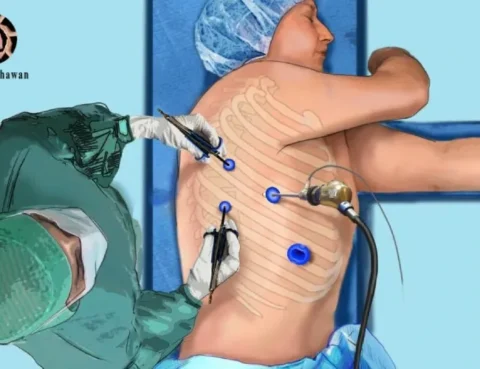
Understanding the Benefits of Thoracoscopy in Lung Treatments
In today’s medical world, thoracoscopy is essential. It makes diagnosing and treating lung issues more convenient for specialists. The advantages of thoracoscopy make it easier for those with lung diseases to get relief. Previously, thoracoscopy procedures were challenging. This blog delves further into the process of thoracoscopy. You'll discover the procedure's benefits for lung health care. The operation, advantages of thoracoscopy, and elements of patient recuperation are all covered in the blog. You will have a solid comprehension of this helpful treatment by the end.
Asthma Bhawan describes how this advanced, minimally invasive method has revolutionized contemporary respiratory care in its guide on the advantages of thoracoscopy in lung treatments. By utilizing a tiny camera to inspect the lungs and chest cavity through tiny incisions, thoracoscopy enables medical professionals to diagnose and treat lung illnesses, such as infections, tumors, pleural diseases, and unexplained breathing problems more accurately.
Introduction to Thoracoscopy
Thoracoscopy, also known as Video-Assisted Thoracic Surgery (VATS), uses a camera to view the area of your chest. In order to observe your lungs on a screen and identify problems, they create a number of tiny slits to place in the camera. This approach is less stressful and safer than conventional procedures. Both physicians and patients can benefit from the ease of use and efficiency of minimally invasive thoracoscopy.
Over recent years, surgery has improved significantly due to technology. A significant advancement in medical procedures is minimally invasive thoracoscopy. It helps physicians operate more accurately, which speeds up and simplifies procedures. Patients benefit from shorter hospital stays and fewer cuts.
It is essential to understand the distinction between thoracoscopy and thoracotomy. The older method, thoracotomy, entails making longer incisions in the chest to reach the lungs. On the other hand, thoracoscopy is less painful and requires fewer incisions. As a result, patients experience fewer issues and a quicker recovery.
Conditions Addressed by Thoracoscopy
Doctors use thoracoscopy to diagnose many lung conditions safely. It makes conditions like pleurisy and pneumonia easier to diagnose. This approach helps identify the reasons behind unexplained chest pain. Special procedures utilize thoracoscopy for focused lung treatments effectively. When necessary, a lung lobe is removed using a thoracoscopy lobectomy. It effectively treats cancer and tumor situations. In the meantime, tiny lung lesions are removed using thoracoscopy wedge resection. Thoracoscopy uses biopsies to confidently identify significant diseases. Through close monitoring, it helps physicians safely diagnose cancer. This approach greatly contributes to successful therapies by enabling early detection.
Advantages of Thoracoscopy Over Traditional Methods
Thoracoscopy is less invasive than thoracotomy. Thoracoscopy uses biopsies to confidently identify significant diseases. Through close monitoring, it helps physicians safely diagnose cancer. This approach greatly contributes to successful therapies by enabling early detection. In thoracoscopy, we see smaller cuts compared to open surgery. There are several appealing advantages to minimally invasive thoracoscopy. Patients heal more quickly, experience less pain, and leave fewer scars.
Doctors observe that thoracoscopy reduces costs for both patients and hospitals. Reduced hospital stays result in lower medical costs. Compared to typical procedures, patients resume their regular activities more quickly. Many families find thoracoscopy to be an attractive alternative due to these financial advantages.
Innovations in Thoracoscopy: Robotic-Assisted Techniques
In the field of thoracoscopy treatments, robotic assistance is relatively new. Thoracoscopy with robotic assistance enables surgeons to carry out procedures with extreme accuracy. The robots improve vision and stabilize movements. The procedures are now a lot safer and more successful thanks to this innovation.
Surgeons have more control over their actions when they use robotic thoracoscopy. The technology helps with accurate surgical procedures by providing sharper visuals. Certain tasks are performed by robots, which lowers errors and improves patient care. These tools help achieve top results with improved outcomes for those involved.
Robotic technology has a significant positive impact on surgical success rates. Patient safety is increased by the high accuracy with which procedures are carried out. Robots guarantee quicker operations with fewer issues. Patients are satisfied as a result, and everyone's recuperation or hospital stays are shortened.
Recovery and Post-Thoracoscopy Care
Recovery after a thoracoscopy is quicker than traditional surgery recovery. Typically, within a day or three, patients can leave the hospital. Within a week, you can often resume your regular activities back home. It's crucial to pay close attention to your doctor's instructions regarding your particular circumstances.
Helpful steps for a good recovery include:
- Pain Management: Use the medicines given to keep pain under control.
- Breathing Exercises: These aid in the restoration of normalcy to your lungs.
- Activity Levels: These aid in the restoration of normalcy to your lungs.
- Follow-up Appointments: Attend all of your healthcare provider's meetings.
Thoracoscopy recovery usually proceeds well; however, problems like as bleeding or infections may occur. Compared to open operations, these issues are less common, which increases patient satisfaction. Many report reduced discomfort and quicker recovery, demonstrating the advantages of minimally invasive thoracoscopy.
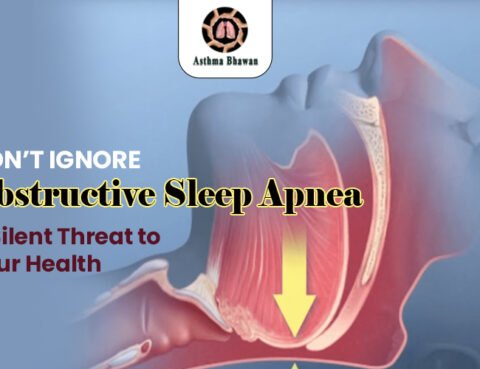
Don’t Ignore Obstructive Sleep Apnea: A Silent Threat to Your Health
A doctor should be consulted as soon as possible if you have a restful night's sleep that is abruptly interrupted by a feeling of being choked or out of breath, and if this occurs frequently. These are classic signs of a condition called Obstructive Sleep Apnea (OSA), a sleep disorder. In this condition, during sleep, a person pauses breathing multiple times; the throat muscles relax too much, completely or partially obstructing the upper airways. Loud snoring is a common symptom of obstructive sleep apnea, which is a significant illness because, according to experts, a person may have up to 100 bouts of breathing stopping and then starting every hour. This erratic breathing has a cyclical effect on the body, much of which is harmful.
The air that a person breaths while they are asleep should pass through their lips and nose without interruption and enter their lungs. However, the airways are closed when an OSA sufferer sleeps because their throat muscles relax and their tongue retracts. As a result, the lungs receive little or no air. Asthma Bhawan presents a thorough reference on Obstructive Sleep Apnea (OSA) with the goal of increasing knowledge and encouraging early detection of this dangerous sleep ailment. The guide explains that OSA occurs when the airway repeatedly becomes blocked during sleep, reducing or completely stopping airflow. Asthma Bhawan emphasizes the benefits of timely screening, especially for individuals with hypertension, obesity, or a history of disturbed sleep.
What is Obstructive Sleep Apnea?
When you have obstructive sleep apnea, the muscles in your throat relax and block your airway as you sleep. This obstruction causes breathing to repeatedly stop and start throughout the night. The duration of each stop might range from a few seconds to a minute, and they may happen several times each hour, significantly impairing the quality of sleep.
Identifying Obstructive Sleep Apnea
The commonest signs of OSA are
- Daytime sleepiness
- Snoring
- Sweating at night
- Dry mouth
- Irritability or mood swings
- Sudden feeling of choking while sleeping
- Increased blood pressure levels
- Headaches in the morning
Snoring is not always a sign of sleep apnea and is frequently brought on by fatigue, the common cold, and occasional alcohol consumption. Therefore, even though not all snoring is regarded as dangerous, if someone snores frequently, they should see a doctor.
Complications with Untreated Obstruction Sleep Apnea
According to doctors, obstructive sleep apnea should not be ignored as there are various complications that could arise.
- A person's performance throughout the day is impacted by the most frequent side effect, which is feeling sleepy and annoyed in the morning.
- It is well known that irregular sleep patterns and sporadic awakenings raise blood pressure levels. The risk of cardiovascular conditions like heart failure and heart attacks might be raised by high blood pressure.
- OSA-related disordered breathing has been connected to arrhythmias, or irregular heartbeats, which can affect the body's oxygen-rich blood flow to different organs.
- Snoring due to OSA can increase the risk of a stroke because the carotid arteries thicken due to the vibrations from the snoring. Thickness of the carotid arteries can affect or interfere with the normal flow of blood to the brain.
- When a person doesn't get enough sleep, their body may handle glucose differently, making them more prone to Type 2 diabetes.
- Lack of sleep makes the immune system weak due to the decrease in the natural production of infection-fighting substances in the body.
Who is at Risk?
While obstructive sleep apnea can affect anyone, certain factors increase the risks:
- Obesity: Excess weight, especially around the neck, can obstruct the airway.
- Gender: Though postmenopausal women are likewise more vulnerable, men are more likely than women to have it.
- Age- Risk increases with age.
- Smoking & Alcohol: Both can increase muscle relaxation and airway inflammation.
- Family History: A genetic predisposition may exist.
Health Complications of Ignoring Obstructive Sleep Apnea
Untreated obstructive sleep apnea can lead to several health issues, including:
- Heart disease
- High blood pressure
- Type 2 diabetes
- Stroke
- Increased risk of accidents due to drowsiness
- Depression and anxiety
Effective Treatment Options
The severity of the ailment and any underlying medical issues determine the course of treatment. Common approaches include:
- Lifestyle Changes: Quitting smoking, weight loss, and avoiding alcohol.
- CPAP Therapy: While you sleep, continuous positive airway pressure devices maintain your airway open.
- Oral Appliances: Devices that are specially fitted and hold the jaw open to maintain an open throat.
- Surgery: In some cases, surgical intervention may be required to remove obstructions.
Why You Shouldn’t Ignore Obstructive Sleep Apnea
Many individuals think of OSA as a minor inconvenience or just “loud snoring”. However, sleep apnea can cause serious health issues that lower your quality of life and raise your risk of dying young if left untreated.
- Cardiovascular Problems: OSA is linked with irregular heartbeats, high blood pressure, and strokes. Your cardiovascular system is subjected to additional strain during apnea episodes due to the frequent reductions in oxygen levels.
- Type 2 Diabetes: You are more likely to acquire type 2 diabetes if you have sleep apnea because it raises insulin resistance. Poor sleep quality also interferes with glucose metabolism.
- Daytime Fatigue and Accidents: Sleep deprivation due to OSA results in excessive daytime sleepiness. This can make it harder to focus, raise your chance of getting into a car accident, and make you less productive at work.
- Depression and Mental Health Issues: Chronic sleep disruption affects mood and brain function, leading to depression, anxiety, and memory problems.
- Poor Quality of Life: Sleep Apnea affects your energy levels, relationships, and social life.
Diagnosis: Don’t Delay It
At Asthma Bhawan, we use advanced diagnostic tools like polysomnography to confirm OSA. Overnight, this test tracks heart rate, oxygen saturation, brain activity, and breathing patterns to identify breathing disruptions.
World Diabetes Day 2025: When is it? How Best to Observe It?
November 14th is observed every year as World Diabetes Day. India has the second-highest prevalence of diabetes worldwide, with 1 in 11 individuals living with the disease. This day serves as a reminder to prioritize healthy eating habits, regular physical activity, and routine health check-ups to prevent or manage the condition effectively. World Diabetes Day 2025 seeks to create a healthier future where everyone may live well and prosper with or without diabetes by raising awareness and promoting early intervention. Asthma Bhawan takes a proactive step in promoting awareness about diabetes management and prevention through its complete health guide.
Asthma Bhawan highlights the significance of early diagnosis, balanced nutrition, regular exercise, and stress management due to the rising connection between lifestyle disorders like diabetes and respiratory health. The manual offers helpful advice for understanding symptoms, keeping blood sugar levels in check, and successfully adhering to prescription regimens. Asthma Bhawan aims to empower individuals to take control of their health and lead balanced, active lives with expert insights and patient-centric care. The institute affirms its dedication to preventive healthcare and holistic wellness for everyone through this program.
The 2025 Theme for World Diabetes Day
The theme for World Diabetes Day 2025 is “Diabetes and Well-Being”. This theme highlights the value of holistic care, emphasizing the promotion of physical, emotional, and social health in addition to blood sugar regulation. The 2025 theme focuses on the workplace, urging employers and coworkers to establish settings that are inclusive and supportive of people with diabetes.
History of World Diabetes Day
The observance of November 14 as World Diabetes Day is not a recent development. The International Diabetes Federation (IDF) and the World Health Organization (WHO) first declared World Diabetes Day to be marked on November 14, 1991. This date was chosen because it commemorates the 100th birthday of Frederick Banting, who was born in 1891 and was one of the two scientists principally in charge of spearheading the investigation into the discovery of insulin. World Diabetes Day was therefore announced to coincide with November 14th to increase awareness about diabetes the world over.
Significance of World Diabetes Day, 14th November
The WHO has designated November 14 as World Diabetes Day globally due to the ongoing rise in the number of diabetes cases worldwide. The following are some of the main explanations for why this day is so important worldwide:
- In Hope of Preventing Type-2 Diabetes: Since diabetes is essentially a lifestyle disease, it can be avoided by leading a regular, healthy lifestyle. This involves consuming a balanced, healthful diet on a regular basis, exercising, staying physically active, and maintaining a healthy weight. The risk of type 2 diabetes can be greatly reduced or even prevented by adhering to all of these recommendations.
- In an Attempt to Spread Awareness About the Rising Diabetes Cases, Almost one in eleven Indians receives a diabetes diagnosis each year, as was previously noted in the blog. This is an earnest effort to raise global awareness of diabetes, its origins, symptoms, and even preventive methods, so that prompt treatment can be started.
How to Best Observe World Diabetes Day?
As you might expect, we've been discussing World Diabetes Day and what it means for me. It is important to note that every individual may significantly contribute to avoiding and controlling the spread of type 2 diabetes, regardless of whether they have a diabetes diagnosis. Here are at least three ways you can join in the festivities and contribute to a worthy worldwide cause:
- Raise awareness about diabetes among the maximum people. You may contribute to educating everyone in your community, neighborhood, or even workplace about this health issue. Creating and distributing information pamphlets is the simplest way to raise awareness of the illness and its treatment options.
- Make yourself a part of the blue circle. The Blue Circle is a globally recognized and well-accepted symbol for diabetes awareness. On November 14th, therefore, wearing t-shirts, jewelry, bands, and other items with the Blue Circle insignia on them can demonstrate your support for the global effort to combat this illness.
- Get yourself tested. In fact, this is the first and most important stage in the battle against diabetes. A test to ascertain whether a person has type 2 diabetes is the first step in the diagnosis process. It should be noted that diabetes symptoms can occasionally go beyond increased thirst, excessive appetite or food cravings, abrupt weight gain or loss, and similar symptoms.
Importance of Well-Being for People With Diabetes
Monitoring blood sugar levels is only one aspect of managing diabetes. For individuals with diabetes, physical, mental, and social health are all components of true well-being. World Diabetes Day 2025 emphasizes this holistic approach.
1. Physical Health
For diabetes to be effectively managed, physical health must be maintained. Important procedures consist of:
- Regular monitoring of blood glucose to maintain stability.
- A balanced diet low in processed foods and sweets and high in fiber, veggies, and whole grains.
2. Mental Health
Diabetes can be emotionally and psychologically taxing. Depression, anxiety, and stress are prevalent. For general well-being, mental health support is essential. Among the tactics are:
- Therapy or counseling for emotional support.
- Stress management techniques such as mindfulness, meditation or deep breathing exercises.
3. Social Support
A robust social network boosts resilience and offers support for diabetes management. Social well-being can be promoted by:
- Family and Friends who offer support and understanding.
- Community groups that provide resources and education.
- Activities by employers that promote tolerance and inclusivity among coworkers.
It is celebrated every year on November 14th.
To raise awareness about diabetes, its prevention, and proper management.
By keeping an eye on blood sugar levels, eating a balanced diet, and exercising frequently.
Frequent urination, increased thirst, blurred vision, and fatigue.
To raise awareness, promote early detection, and provide everyone with access to diabetes care.
World COPD Awareness Day 2025 Theme and History: 19th November
World Chronic Obstructive Pulmonary Disease (COPD) Awareness Day 2025 is a global initiative dedicated to raising awareness about COPD, its prevention, and the importance of early diagnosis and management. It aims to reduce the impact of COPD, enhance the lives of people who are impacted, and encourage healthier lungs for all. On World COPD Awareness Day 2025, Asthma Bhawan continues to guide people towards better lung health and awareness. The hospital's main goal is to inform patients and their families about the causes, signs, and prevention of Chronic Obstructive Pulmonary Disease (COPD).
Every year, millions of individuals throughout the world suffer from Chronic Obstructive Pulmonary Disease, a degenerative lung disease that is brought to attention by World COPD Awareness Day. The day serves as a chance to inform people about the risk factors and causes of COPD and to motivate them to adopt preventative measures for their lung health. Through check-ups, expert advice, and awareness programs, Asthma Bhawan encourages everyone to avoid smoking, stay active, and go for regular lung tests. Providing the appropriate care at the appropriate time and disseminating knowledge are intended to help people breathe better and lead healthier lives.
The Theme of World COPD Day 2025
The theme for 2025 is “Short of Breath, Think COPD.” This highlights how important early diagnosis is to the treatment of illness. Early detection enables patients to begin treatment sooner, make necessary lifestyle changes, and prevent the progression of COPD.
History of World COPD Awareness Day
The Global Initiative for Chronic Obstructive Lung Disease (GOLD), in partnership with patient advocacy organizations and medical experts, was the first organization to establish World COPD Awareness Day. It was established to increase awareness about COPD and enhance the management and prevention of the disease. Since its inception, World COPD Awareness Day has been a vital forum for promoting improved lung health and lessening the effects of COPD worldwide.
How to Participate in World COPD Awareness Day 2025?
By taking part in World COPD Awareness Day, you can support and increase awareness of people with COPD. Here's how to participate:
- Learn About COPD: Inform people on COPD, including its symptoms, risk factors, and available therapies.
- Organize Awareness Events: Webinars, host educational events, or workshops in your community to raise awareness about COPD and its prevention.
- Support Lung Health Initiatives: Support groups and projects that concentrate on lung health, research, and efforts to raise awareness of COPD.
- Quit Smoking: As a significant risk factor for COPD, if you smoke, think about giving it up or helping loved ones do the same.
- Encourage Regular Check-Ups: Lung function testing and screenings should be encouraged for those at risk of developing COPD in order to ensure an early diagnosis.
- Share Information: Share resources and information on COPD with your network via social media and other channels.
Why World COPD Day Matters
Raising awareness about COPD is critical for several reasons:
- Underdiagnosis is common: A large number of persons with COPD are unaware of their symptoms or blame them on "aging" or being unfit. Because of this, opportunities for earlier treatment are missed.
- Improved Outcomes with Early Action: Quality of life can be enhanced and illness development slowed by identifying risk, getting a diagnosis early, and starting treatment.
- Global Health Burden: Millions of people worldwide suffer from COPD, which is particularly prevalent in low- and middle-income nations where there is a high level of exposure to indoor smoke, air pollution, and occupational hazards.
Significance of World COPD Day 2025
Let's examine in more detail the significance of World Chronic Obstructive Pulmonary Disease (COPD) Day in 2025.
- The theme for this year is lung health throughout life.
- Millions of people will benefit from awareness campaigns to help them access COPD treatment centers.
- On World COPD Day 2025, the promotion of online breath test tools will make it easier for those experiencing symptoms of COPD to take an online breath test.
- For COPD awareness campaigns and programs to be fully implemented, everyone should contribute.
- Using COPD hashtags on Facebook and Twitter will create awareness about COPD globally online.
Relevant Hashtags
When participating in conversations about lung health on social media and expressing your support for World COPD Awareness Day 2025, consider utilizing these pertinent hashtags:
- #WorldCOPDAwarenessDay
- #COPDAwareness
- #LungHealth
- #Breathe Easy
- #COPDPrevention
- #HealthyLungs
In 2025, World COPD Day will be observed on November 19 2025. The Global Initiative for Chronic Obstructive Lung Disease (GOLD) is in charge of organizing the event, and medical organizations worldwide are supporting it.
The theme for World COPD Day 2025 is “Short of Breath, Think COPD.” This theme encourages patients who frequently or inexplicably feel dyspnea to think about COPD as a potential cause, as early identification can greatly improve outcomes.
Yes, COPD is preventable. The risk can be considerably decreased by abstaining from smoking, enhancing air quality, and limiting exposure to dangerous contaminants. Severe lung damage can potentially be avoided with early detection.
Here is no complete cure for COPD, but it can be effectively managed. Patients can lead active and satisfying lives with the correct treatment strategy, which may include inhalers, drugs, pulmonary rehabilitation, and lifestyle modifications.
Early detection helps slow the disease progression, prevents hospitalizations, and improves quality of life. Early detection of COPD enables medical professionals to begin therapies that can maintain lung function and avoid problems.

Back-To-School Allergy & Asthma Care Checklist
As the summer comes to an end, parents with children in daycare and school know it’s time to prepare, not just for new pencils and notebooks, but for the crucial back-to-school allergy & asthma checklist. When your child has certain food allergies that could make a simple snack into an emergency or needs an epinephrine injector on hand, careful preparation is essential. It is essential to meet with your doctor to obtain the most recent note detailing the precautions that must be taken in order to guarantee a safe and joyful school year for all. Providing school personnel with information on your child's illness, updating their action plan with their doctor, and making sure they have access to prescribed drugs like inhalers or epinephrine auto-injectors are all part of a thorough Back-to-School Allergy & Asthma Care Checklist. Don’t forget to pack extra medications in the school bag and confirm that they are labeled and stored properly.
Asthma Bhawan’s Back-To-School Allergy & Asthma Care Checklist is a helpful and trusted guide for parents to prepare their children for a safe and healthy school year. The significance of updating the child's asthma and allergy action plan, setting up a pre-school examination, and making sure that all emergency supplies, such as inhalers and epinephrine auto-injectors, are up to date and available are all emphasized in this checklist endorsed by experts. It also reminds parents to pack an extra set of medicines in the school bag and to teach children how to acknowledge and manage their symptoms. Asthma Bhawan ensures that children with asthma and allergies can enjoy their school days with confidence and care.
School Requirements
Understanding the needs of students in various age groups is essential when addressing school regulations for managing allergies. As food allergies become more common, it might be difficult to protect kids who could experience severe responses. The method needs to be specific and comprehensive, whether it is recognizing the indicators of an allergic reaction, becoming ready for the potential of anaphylaxis, or comprehending the intricacies of managing asthma. A school health care plan is a written document outlining your child’s medical condition and needs. Typically, the plan includes details about your child's allergies or asthma, how to treat them, and what to do in case of an emergency. It might also cover the duties, education, and services required of school employees to assist in keeping your child safe. Three common types of school care plans are:
- Emergency Care Plan (ECP): The school should adhere to this medical plan, which was prescribed by your child's physician, in order to treat asthma while the student is enrolled.
- Individual Health Care Plan (IHCP or IHP): One kind of nursing care plan is this one. An asthmatic student's emergency care plan would also fall under this category. An IHCP discusses the steps the school will take to create and preserve a secure learning environment for students with asthma.
- 504 Plans: This is a legally binding plan written by the school in collaboration with a student and their family. Similar to an IHCP, this plan describes how to achieve the goal of providing a safe education by making changes to the classroom or other school infrastructure.
Emergency Care Plans (ECP)
The school nurse must follow the ECP that is created by your child's physician. ECPs typically use terminology that is understandable and accessible to non-medical individuals. Your child’s ECP should have:
- A list of the allergens and/or asthma triggers for your child.
- Symptoms that need to be treated right away with an epinephrine auto-injector or quick-relief asthma medication.
- Instructions on calling 911 to transport your child to the hospital.
- A list of emergency contacts.
Individual Health Care Plans (IHCP or IHP)
An IHCP, also known as an IHP, is a nursing care plan with administrative and clinical goals. An ECP for controlling and treating allergic responses or asthma symptoms will probably be part of it. The school nurse will work with you, your child, and their doctor to write the IHCP.
An IHCP describes the steps the school will take to ensure your kid is in a safe environment. The actions that school staff will take to reduce the risk of exposure to triggers or allergens, recognize signs of asthma or an allergic reaction, and provide the appropriate care, for instance, will be explained by an IHCP.
Asthma Management
Recognizing asthma in the classroom necessitates that teachers know health issues that might have a big influence on a student's everyday academic life. The goal is to recognize warning signs such as shortness of breath and persistent coughing that might suggest a student needs immediate attention or adjustment in their medication plan.
In particular, when it comes to chronic conditions like asthma, parents should give instructors enough information about their child's health plan. To properly treat a student's health, a proactive approach entails identifying which children may display symptoms, such as hives, during physical exercise and making sure they have easy access to their prescribed medication. An asthma action plan should include;
- Signs of worsening symptoms.
- A list of your child's prescriptions, together with the recommended dosage times.
- Emergency response planning.
Allergens in the Classroom
Since children with allergies sometimes have many allergies, managing allergies can be far more complex than managing asthma. The school cafeteria takes precautions for children with food allergies and restrictions, but events like sporting events, field trips, or any new environment may introduce your child to individuals who are not aware of potential triggers.
Food Allergies
Many snacks and lunches brought from home, as well as the cafeteria fare at school, contain common food allergies such as peanuts, tree nuts, dairy, and gluten. Even small amounts of exposure can cause severe symptoms in children with severe allergies, such as hives, breathing difficulties, or anaphylaxis. Older students are aware of hidden elements and what to avoid. Younger kids could be exposed to allergens because they don't know what to check for or eat their neighbors' lunch.

Winter Air Pollution After Diwali and Its Effect on Asthma Patients
Everyone looks forward to the joy, togetherness, and celebration of Diwali. This beautiful festival fills the air with joy with its bright fireworks, sparkling lights, and sweets. However, along with the enjoyment and delight, it also carries with it a serious issue: a rise in air pollution. Following Diwali, there is a sharp increase in air pollution, especially in the winter, which can be quite harmful, especially for those who have asthma. Being careful with fireworks is not only an aspect of safety. Another is shielding them from everything that can jeopardize their well-being and health. Due to fireworks, smoke, and increased air pollution during Diwali, children's respiratory conditions may get worse.
Asthma Bhawan highlights how vital it is to address winter air pollution after Diwali since the combination of burning stubble, firework smoke, and dropping temperatures deteriorates air quality and puts asthmatics in a toxic environment. The airways are irritated by the thick pollution and the increase in particulate matter (PM2.5 and PM10), which causes more frequent asthma attacks, coughing, wheezing, and dyspnea. Asthma sufferers become more vulnerable to severe respiratory complications with colder air trapping pollutants closer to the ground. Asthma Bhawan suggests that in order to properly manage symptoms during this crucial time, patients should use prescription inhalers, wear masks, stay indoors during peak pollution hours, and schedule routine checkups.
What Causes Winter Air Pollution After Diwali?
The following are some of the main causes of the increase in air pollution following Diwali:
- Fireworks and Crackers: During Diwali, the use of fireworks is common. Nitrogen oxides, sulfur dioxide, and microscopic dust particles (PM2.5 and PM10) are among the dangerous gases released by the crackers. These airborne particles are persistent and have detrimental effects on the lungs.
- Cold Winter Air: In winter, temperature inversion happens. Typically, warm air rises and removes pollutants. However, all the smoke and dust in winter make their way to the ground together with chilly air. As a result, our air is considerably more contaminated.
- Stubble Burning: In some parts of India, Farmers add more smoke to the air by burning the stubble from their remaining crops. This usually happens around Diwali, which exacerbates the pollution issue.
Why Asthma Patients Suffer More From Winter Air Pollution
Individuals with asthma are especially at risk during this time. Patients with asthma have trouble breathing because of the inflammation and constriction of their airways. The air pollutants can irritate the airways, triggering asthma symptoms such as coughing, wheezing, chest tightness, and shortness of breath. The following are the health implications of air pollution, particularly for those who suffer from asthma:
- Particulate Matter: PM2.5 and PM10 are microscopic particles that can penetrate deeply into the lungs. When asthmatic patients inhale these particles, they may experience severe attacks, exacerbate pre-existing symptoms, or possibly require hospitalization.
- Sulfur Dioxide and Nitrogen Oxides: These gases can irritate the airways since fireworks emit them in enormous quantities. In asthma patients, Breathing becomes difficult due to inflammation of the bronchial passages caused by this stimulation.
- Cold Air and Pollution: Cold air itself is a known trigger for asthma. For people with asthma, it creates a fatal combination when combined with high pollution levels. Air pollution exacerbates the narrowing of the airways caused by cold air, making it more difficult for asthmatics to control their symptoms.
- Ozone Formation: Ground-level ozone can occur as a result of high concentrations of nitrogen oxides and volatile organic compounds (VOCs). Ozone is a dangerous gas that can irritate the lungs and cause asthma flare-ups.
Impacts of Air Pollution on Asthma Patients
Numerous issues related to asthma can be brought on by polluted air, including:
- Worsened Breathing Issues: Leading to shortness of breath, coughing, and wheezing, air pollution inflames the airways.
- Increased use of Medication: Wintertime pollution levels typically require asthmatics to use their inhalers more frequently.
- Reduced Lung Function: Long-term exposure to high pollution levels can impair lung function, particularly in asthmatic children.
Asthma Symptoms to Keep an Eye On
It's critical to monitor symptoms if you or someone you know has asthma, particularly in the winter months following Diwali, when air pollution is at its highest. Common symptoms include:
- Constant coughing, especially at night or early morning
- Shortness of breath
- Wheezing
- Pain in the chest
- Tightness
- Frequent use of an inhaler
How to Stay Safe During Winter?
Even if you have no influence over air pollution, you can take precautions against it, particularly if you have asthma:
- Stay Indoors During Peak Times: Early morning and late evening are when pollution levels are at their maximum. To prevent breathing in contaminated air during these periods, try to stay inside.
- Use an Air Purifier: Use an air purifier to keep the air in your house clean.
- Wear a Mask: Wearing a mask will help filter out hazardous particles from the air if you must go outside.
- Avoid Exercising Outdoors: Exercise can make you inhale more pollution. Exercise should be done indoors rather than outdoors, especially in areas with poor air quality.
- Always Carry Your Inhaler: Keep your inhaler with you at all times if you have asthma. Be ready for unexpected asthma episodes brought on by winter pollutants.
- Ventilate Smartly: Don't leave them open when pollution is at its worst. Only open windows in the late afternoon or when the air is clearer.
- Stay Hydrated: Keep yourself feeling better by drinking lots of water to help remove mucus from your lungs.
FAQ's
Cold weather, stubble burning, and firecrackers all trap pollutants, increasing the toxicity of the air.
Air pollution irritates the lungs, leading to asthma episodes, coughing, wheezing, and dyspnea.
Keep inhalers close at hand, wear masks, and stay indoors during the hours when smog is at its worst.
Yes, exposure to dangerous particles is decreased when air purifiers are used indoors.
Immediate medical attention is required if symptoms increase, attacks occur more frequently, or inhalers are ineffective.

How to Control Asthma During The Rainy Season: A Comprehensive Guide
The monsoon season is supposed to be enjoyable, but for many people with asthma, it can be difficult. The damp weather, increased mold growth, and higher pollen counts can trigger asthma symptoms and lead to more frequent attacks. This guide will help you breathe easier throughout the monsoon season by giving you tried-and-true methods for managing your asthma in wet conditions. During the rainy season, controlling asthma requires extra care as humidity, sudden weather changes, and mold growth can trigger symptoms. Mold and dust mites can be avoided by avoiding wet conditions and maintaining clean, dry living spaces. Even if you feel well, always keep your inhaler with you and take your prescription drugs on a regular basis. Avoid going out when humidity is high or during heavy rainfall, and use a mask if needed out when humidity is high or during heavy rainfall, and use a mask if needed to filter allergens in the air.
Asthma Bhawan guides you on controlling asthma during the rainy season with practical and effective steps to keep your breathing comfortable. Keep your surroundings dry, clean, and mold-free because the increased humidity and wetness might cause asthma episodes. Asthma Bhawan recommends following your medication schedule strictly and always carrying your inhaler when stepping out. When necessary, wear a mask to protect against exposure to cold, humid air and rapid temperature fluctuations. Keep an eye on your symptoms every day, and don't disregard any early wheezing or dyspnea symptoms.
Understanding Asthma Triggers in Wet Weather
Rainy weather can make asthma symptoms worse for a number of reasons:
- Increased humidity
- Higher pollen counts
- Mold growth
- Dust mites thrive in damp conditions
The first step in treating asthma during the rainy season is recognizing these triggers.
Tips for Avoiding Asthma Attacks in the Rain
Staying inside when it's raining a lot is one of the simplest methods to prevent an asthma attack because it keeps you away from many possible asthma triggers. Close the windows to keep damp air out of your house, and if you live in an area that gets a lot of humidity, think about getting a dehumidifier to help regulate the amount of moisture in your house. If you have no options but to venture outside, wear protective gear like scarves and masks.
Managing Asthma Triggers During Wet Weather
Being aware of triggers and preventing them is the easiest way to stay safe during the monsoon. Therefore, to keep the dust at bay, think about vacuuming your house, using bedding coverings that are allergen-proof, and routinely cleaning the moist regions of your house. If you have the habit of keeping plants indoors, consider removing them as they tend to harbor mold.
How to Stay Safe from Asthma During the Rainy Season
Here are some suggestions for staying safe during the monsoon season:
- Follow your asthma action plan diligently
- Always carry your inhaler
- Stay up-to-date with your medications
- Monitor your peak flow readings daily
Rainy Weather Asthma Prevention Strategies
Prevention is and always will be preferable to treatment! Therefore, make every effort to boost your immune system! Eat healthy, well-balanced meals, exercise regularly, preferably indoors, and practice stress reduction techniques like meditation, yoga, and deep breathing. Getting an air purifier might assist in maintaining clean air if you live in a region with high pollution levels.
Effective Ways to Reduce Asthma Flare-Ups in Monsoon
- Avoid known triggers like cigarette smoke and strong odors
- Take your preventive medications as prescribed
- Stay hydrated and keep your airways moist
- Keep your rescue inhaler easily accessible.
Protecting Against Asthma Attacks in Rainy Conditions
- Change out of damp clothes immediately upon returning home
- Take a hot shower to clear your airways after being outdoors
- Use a warm scarf to cover your mouth and nose when outside
- Use nasal saline rinses to clear allergens from your nasal passages.
Mosquito Prevention Tips for Rainy Season
Let's fight against these little vampires by embracing our inner Van Helsing!
- Eliminate standing water around your home.
- Wear full-sleeved clothing when outdoors.
- Use mosquito repellents and nets.
Strategies for Asthma Management in Wet Weather
- Make your workplace and home asthma-friendly.
- Acquire a high-quality dehumidifier and humidifier.
- To treat allergies over the long term, think about immunotherapy.
- Stay informed about new asthma management techniques.
Monitor Your Symptoms Regularly
By keeping a daily log of your symptoms, you can identify early warning indicators of an asthma attack and take prompt treatment.
- Note down any signs like frequent wheezing, coughing, chest tightness, or shortness of breath.
- Use a peak flow meter to monitor your breathing if recommended by your doctor.
- Maintain an asthma diary to track triggers, medication use, and symptoms for better discussions with your doctor.
Keep Your Surroundings Clean and Dry
Mold and dust mites, two major asthma triggers, can grow more readily in moist and wet surroundings.
- Ventilation: Ensure proper ventilation in your home, allowing sunlight and fresh air to reduce moisture.
- Cleaning Damp Areas: Regularly clean kitchens, bathrooms, and other damp spaces to prevent mold buildup.
- Wash and Sun-Dry Bedding: Wash bedsheets, curtains, and pillow covers frequently and dry them in the sun to kill allergens.
- Use a Dehumidifier: Using a dehumidifier might help lower moisture levels in your home if it has a high humidity level.
- Avoid Carpets and Heavy Curtains: These can trap dust and moisture; opt for easy-to-clean furnishings. These can trap dust and make the air quality worse, potentially triggering breathing problems.
Conclusions
Diminishing the risk of asthma attacks in rainy weather requires a multi-faceted approach. You can successfully manage your asthma throughout the rainy season by being aware of your triggers, adhering to preventative measures, and collaborating closely with your healthcare professional. Remember, staying prepared and proactive is key to breathing easier and enjoying the monsoon season without worry.