World Mental Health Day 2026: Theme, History, NGOs Involvement
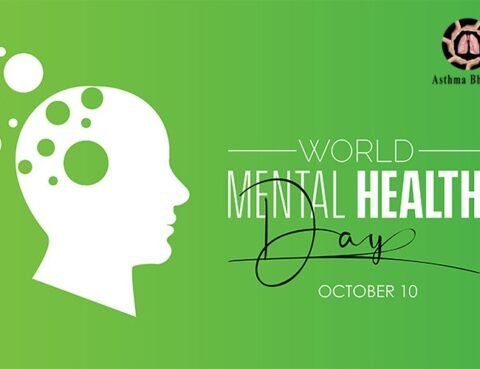
Did you realize that panic attacks and mental health problems are prevalent in today's society? In recent years, there have been reported instances of workplace deaths associated with mental health challenges. Since 1948, the World Federation has observed Mental Health Day on October 10th every year. On World Mental Health Day in 2026, we have the chance to remind people that mental health is just as important as physical health. Observed every year, the day encourages open conversations about emotional well-being, anxiety, stress, workplace pressure, depression, and other mental health challenges. It also emphasizes how crucial it is to establish safe spaces where people can ask for assistance without worrying about being judged.
On World Mental Health Day 2026, Asthma Bhawan highlights the benefits of caring for both mental and physical well-being. A person's everyday routine, confidence, sleep, and mental well-being can occasionally be impacted by having a respiratory ailment like asthma or other lung-related health issues. Identifying stress, discussing concerns openly, adhering to the recommended treatment plan, and seeking professional support when required can contribute to better overall well-being.
Importance of World Mental Health Day
Mental fitness is vital in usual health and determines how we think, experience and behave by impacting our relationships, paintings and regular life tales. Yet, millions of people around the world still face barriers to accessing mental health care due to stigma, lack of awareness, or limited resources.
In today’s generation's approach in 2026 intellectual health will be at the vanguard of mainstream conversations around the world. The world continues to face the effects of climate change, political instability, pandemics, and post-pandemic challenges, all of which have contributed to rising levels of anxiety, depression, and stress. From students and healthcare professionals to refugees and everyday citizens, mental health challenges are closely connected to wider social, economic, and environmental concerns.
History of World Mental Health Day
Under this section, the World Federation for Mental Health is an international membership organization that was established in 1948. It plays an important role in raising awareness and promoting greater understanding of mental health worldwide. The World Federation for Mental Health began with members, ‘not of individuals or countries, but of societies’ from 46 countries. According to the WFMH, the organization has members and connections across more than 90 countries, reflecting the growth of a global movement dedicated to promoting mental health awareness, challenging misconceptions about mental health conditions, and fostering hope and support for people around the world.
WHO Key Messages on World Mental Health Day 2026
In this section, we'll give you some details regarding the World Health Organization's (WHO) main messages for World Mental Health Day in 2026.
- Mental health and work are closely linked
- Wider impact on work and society
- Workers face risks to mental health
- Impact on individuals
- Employment difficulties are caused by stigma.
- Helping workers stay engaged, productive, and successful at work.
- Government action and collaboration are essential
- Taking care of your mental health
- Teaching managers how to promote mental wellness.
The UN System Mental Health Strategy for 2026
The UN System Mental Health and Well-being Strategy for 2026 and beyond aims to help the United Nations foster a workplace environment that promotes positive mental health and ensures employees can access appropriate support whenever they need it
The strategy calls on UN teams, organizations, and individuals to step up efforts to:
- Prevent risks to mental health at work
- Protect mental health and promote well-being at work
- Assist staff members who have mental health issues.
Role of NGOs in Mental Health
In the field of mental health, non-governmental organizations (NGOs) play a vital role in addressing mental health challenges and providing support through a wide range of initiatives and activities.
- Advocacy and Policy Impact: Working to reduce mental health stigma while advocating for improved mental health services, greater awareness, and increased funding.
- Support and Direct Services: NGOs provide important services such as counseling, treatment and crisis intervention to persons in need.
- Education and Training: Training and public education are provided to mental health professionals to enhance awareness and promote early intervention.
- Research and Data Collection: NGOs conduct research to gain a deeper understanding of mental health challenges and gather reliable data to guide their policies, initiatives, and support programs.
Conclusion
As we mark World Mental Health Day in 2026, it is evident that mental health remains a significant global concern that requires ongoing awareness, attention, and action. NGOs worldwide are making meaningful efforts to address these challenges and expand access to mental health care across different communities, particularly for individuals and groups who face greater barriers to receiving support.
World Mental Health Day 2026 will be observed on 10th October 2026.
It seeks to increase mental health awareness and motivate individuals to get help when they need it.
Mental health awareness assists reducing stigma and encourages people to discuss their concerns and access appropriate support.
Companies can foster healthier workplaces by encouraging open communication, offering employee wellness and support programs, and helping employees access professional mental health services when needed.
Show empathy, listen without judgement, stay connected, and encourage them to seek professional support when appropriate.
People can participate in awareness activities, start supportive conversations, learn about mental health, and promote a more understanding environment.
World Lung Day 2026: Breathe Better Live Better
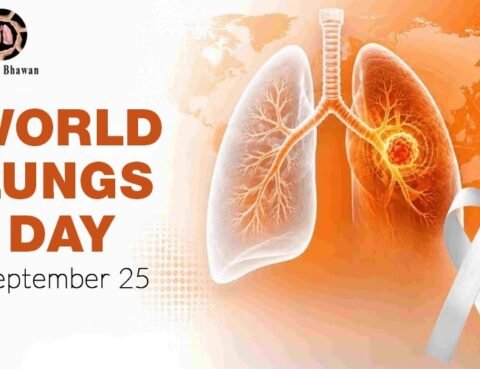
Every year on September 25, the world observes World Lung Day, a movement to increase awareness of lung health and the pressing need to lessen the burden of respiratory illnesses. The day, which was started by the Federation of International Respiratory Societies (FIRS) and its partners, promotes action on important issues including smoking, air pollution, and healthcare access while highlighting the vital role that healthy lungs play in overall welfare. In order to enhance lung health globally, World Lung Day acts as a call to action for governments, organizations, and individuals to band together and support prevention, research, and fair access to care.
On World Lung Day 2026, Asthma Bhawan highlights the importance of healthy lungs and better breathing. Lung health is crucial to general wellbeing because our lungs are constantly working to supply the oxygen our bodies require. On this day, individuals are encouraged to be aware of respiratory symptoms such as wheezing, persistent coughing, and difficulty breathing, and to seek prompt medical assistance when necessary. Maintaining a smoke-free lifestyle, reducing exposure to air pollution and dust, staying physically active, and following a healthy routine can support better lung health.
What is Lung Health?
Lung health is the capacity of the respiratory system and lungs to maintain regular breathing and operate efficiently. Gases are exchanged between our bloodstream and the air we breathe through the lungs. Diseases that damage the airways, lung tissue, or other respiratory structures can make breathing difficult and cause symptoms including wheezing, coughing, chest pain, or dyspnea. While some respiratory disorders are transient, others are long-term and need constant care. Common conditions affecting lung health include:
- Asthma
- Chronic Obstructive Pulmonary Disease
- Lung Cancer
- Pneumonia
- Tuberculosis
- Respiratory Infections
- Pulmonary Hypertension
Why is World Lung Day Important?
World Lung Day offers a chance to highlight respiratory health and motivate people and communities to lower avoidable hazards. The day helps raise awareness about:
- Smoking and tobacco exposure
- Second-hand smoke
- Occupational exposure to dust, fumes, and chemicals
- Asthma and COPD
- Indoor and outdoor air pollution
- Lungs cancer
- Respiratory infection
- Timely diagnosis and treatment of tuberculosis
- Early recognition of respiratory symptoms
When to Consult a Lung Specialist?
Seeking advice from a pulmonologist can save small problems from becoming more serious. It might be time to consult a doctor if you see any of the following symptoms:
- Persistent cough that does not improve: A cough that lasts more than three weeks may indicate lung cancer, tuberculosis, or chronic bronchitis, especially if it is dry, produces phlegm, or has blood in it. These symptoms should never be disregarded.
- Shortness of breath during routine activities: Breathlessness during short walks, climbing stairs, or performing daily activities may be a sign of interstitial lung disease, COPD, or asthma. This is especially concerning if the shortness of breath worsens over time.
- Frequent or recurrent chest infections: If you have recurrent episodes of pneumonia, bronchitis, or persistent chest congestion, your lungs may not be able to fight off infections, which could indicate compromised lung health.
- Wheezing or noisy breathing: A whistling, rattling, or squeaky sound when you breathe could indicate a respiratory tract blockage, asthma, or COPD-related airway narrowing. Early treatment can prevent further complications.
- Unexplained fatigue and chest discomfort: When the lungs are unable to provide the body with enough oxygen, it can result in persistent fatigue, decreased endurance, and a tightness or pressure in the chest. These symptoms may be linked to chronic respiratory illnesses or heart-related conditions.
- History of smoking or occupational exposure: Lung diseases are more common in smokers and people who work in areas with dust, fumes, chemicals, or asbestos. Even if there are no overt symptoms, routine examinations with a lung specialist are recommended.
How Can You Contribute to World Lung Day?
World Lung Day aims to promote global efforts to enhance lung health in addition to increasing awareness. Everyone can make a significant contribution, whether it's by supporting bigger projects or forming healthier habits. Here are a few methods to participate:
- Spread Awareness about Lung Health: Giving others accurate information about common lung diseases, their symptoms, and ways to avoid them might help them identify problems early.
- Encourage Smoke-Free Environments: Children, the elderly, and persons with pre-existing lung diseases are particularly vulnerable to the negative effects of secondhand smoke.
- Promote Clean Air Initiatives: One of the main causes of lung issues is air pollution. Cleaner air can be achieved by supporting pollution-reduction programs, implementing eco-friendly habits like taking public transportation, cutting down on idling, and planting trees.
- Support People Living with Lung Diseases: Many individuals with chronic lung conditions feel isolated due to their health struggles. Their quality of life might be enhanced by providing assistance through community organizations, volunteering at medical events, or just demonstrating compassion and understanding.
- Participate in Health Screenings and Check-Ups: Promoting regular spirometry tests and lung examinations, particularly for smokers and pollution-exposed individuals, can help identify and treat lung conditions earlier.
- Advocate for Stronger Health Policies: More broadly, citizens can help by funding government initiatives to lower pollution, increase healthcare access, and support research on lung diseases.
- Make Personal Lifestyle Changes: Maintaining healthy lungs starts with individual habits. Staying physically active, eating a nutritious diet, practising breathing exercises, and avoiding harmful exposures can go a long way.
World Lung Day promotes lung health and respiratory disease prevention.
World Lung Day is observed on September 25, 2026.
It encourages people to understand lung health, recognize symptoms, and seek timely medical care.
Stay physically active, avoid smoking, reduce exposure to air pollution, and maintain a healthy lifestyle.
Avoid tobacco smoking, get vaccinated as advised, limit your exposure to pollutants, and seek medical attention if your symptoms don't go away.
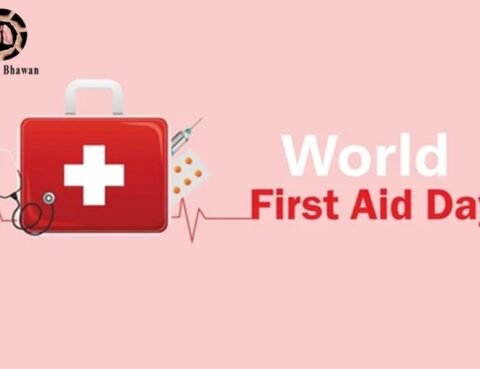
World First Aid Day 2026: Be Ready, Save a Life
First Aid refers to the initial, immediate assistance provided to a person who has an illness or injury. Every year, the second Saturday of September is celebrated as World First Aid Day. It offers a possibility of survival and aids in the reduction of injuries. Many people have accidents every year, and the majority of them die as a result of receiving care too late. If the wounded person had received primary care, almost all fatal traffic accidents may have been avoided. On World First Aid Day 2026, Asthma Bhawan encourages everyone to be prepared to respond calmly and confidently during emergencies. Knowing how to administer first aid can be quite helpful, particularly in situations where someone has breathing problems or an asthma emergency. Be Prepared, Save a Life—because prompt action, awareness, and appropriate first-aid training may make every second matter.
World First Aid Day 2026: History
- The International Federation of Red Cross and Red Crescent Societies (IFRC) created World First Aid Day in 2000.
- In 1859, Henry Dunant, a young merchant, saw the devastation at the Battle of Solferino. He then penned the book "Memories of Solferino," which discusses his concept for a stand-alone organization to care for injured soldiers.
- As a result, the International Committee of the Red Cross (ICRC) was established, and Henry Dunant was one of its co-founders.
- On World First Aid Day, around the world, Red Cross and Red Crescent Societies host events to raise awareness of the value of first aid.
World First Aid Day 2026: Significance
- Everyone is personally trained in First Aid, allowing us to save lives while we wait for expert assistance.
- On World First Aid Day, we can begin studying First Aid exercises. We can educate people on the significance of first aid.
- The death rate can be decreased and disasters, calamities, and everyday situations can be affected by having a solid understanding of First Aid.
- We can use World First Aid Day as a chance to organize events or initiatives that will increase knowledge of first aid around the globe.
The Importance of First Aid in Emergencies
Emergencies take place when we least anticipate them. Whether they are connected to home accidents, business injuries, or traffic accidents, being prepared to act quickly helps prevent problems from getting worse. First aid not only stabilizes an injured person but also gives them comfort while they are in distress. You can lessen the severity of the injury and increase your chances of recovering completely with the correct knowledge.
Some of the main goals of first aid are to preserve life, stop the disease's course, and promote recovery. More problems can frequently be avoided by taking prompt action. For instance, the first aid administered before the arrival of paramedics is critical to survival in cases of strokes, heart attacks, or serious bleeding.
Common First Aid Situations
While many issues can be resolved with basic first aid techniques, some may need professional medical care. Among the most common situations are:
- Cuts and Scrapes: Infections can be avoided, and healing can be accelerated by knowing how to clean a wound and apply a bandage.
- Choking: One of the best methods for removing an object from a person's airway is the Heimlich maneuver, which anyone can execute.
- Burns: One of the most important first steps in treating burn injuries is to run cold water over the burn to prevent tissue damage and alleviate pain.
- Fractures: Immobilizing a shattered limb correctly minimizes discomfort and stops additional damage until medical help arrives.
- Cardiac Arrest: Until more advanced medical care is available, CPR (cardiopulmonary resuscitation) can maintain blood flow to critical organs.
- Fainting: While you wait for assistance, you can steady someone who has fainted by raising their legs or placing them in a recovery pose.
Small Actions with Big Impacts
On World First Aid Day, it's critical to keep in mind that anyone can learn how to provide first aid and that even the smallest gestures can have a significant impact. The following crucial small steps can have a significant impact in emergency situations:
- Calling for Help: The most important thing you can do is recognize an emergency and contact emergency services right away.
- Staying Calm: Maintaining composure during a crisis allows you to think clearly and make wise choices. Additionally, it eases the injured person's fear by reassuring them.
- Stopping the Bleed: Applying pressure to a wound is a simple technique that can stop significant blood loss, giving medical professionals more time to treat the condition.
- Starting CPR: Chest compressions can double or even triple a person's chances of survival when they collapse and cease breathing.
- Using an AED: Nowadays, many public spaces include Automated External Defibrillators (AEDs), which can be used to restart a stopped heart.
It increases understanding of the significance of emergency preparedness and first aid.
First aid can prevent a condition from worsening and help save lives.
Stay calm, ensure safety, assess the situation, and call for professional help.
Yes, before medical assistance arrives, prompt and appropriate first aid can make a significant impact.
Be prepared, act quickly, and assist others safely when emergencies happen.
First-aid training is available through certified medical and emergency-response organizations.

World Lung Cancer Day 2026: Theme, Significance, and How You Can Raise Awareness
The term "lung cancer" evokes a sense of fear in many people. But in reality, understanding the illness gives us the ability to recognize it early, help those who are impacted, and take action to prevent it. That is precisely why World Lung Cancer Day is an occasion for education, action, and unity. In the context of an immediate emphasis, Lung Cancer Day is about more than just raising awareness; it's about expanding that awareness and directing it into actual systemic and community change in healthcare systems. Our trusted team of highly skilled and experienced professionals in Jaipur stands ready to support you when it comes to professional guidance or screening.
A vital reminder of the worldwide burden of lung cancer and the necessity of early identification, prevention, and access to high-quality treatment is provided by World Lung Cancer Day, which is celebrated annually on August 1. Through its guide on World Lung Cancer Day, Asthma Bhawan highlights the year’s theme, emphasizing education, support for patients and caregivers, and the promotion of healthier lifestyles to reduce risk factors such as smoking and air pollution exposure.
The Theme for World Lung Cancer Day 2026
The theme for World Lung Cancer Day 2026 is "Together through lung cancer"
The Story Behind World Lung Cancer Day
On August 1, 2012, the Forum of International Respiratory Societies (FIRS) and affiliated organizations held the inaugural World Lung Cancer Day. It started with a straightforward but pressing objective: raising awareness of the worst cancer in the world and motivating people to take early action. Since then, the date has become a fixture on the global health calendar. Today, the day unites medical professionals, survivors, researchers, and communities through health fairs and internet initiatives.
The majority of people use this occasion to demand improved prevention and treatment strategies and to memorialize loved ones who have died from the illness.
Why Lung Cancer Awareness Day is More Relevant Today Than Ever
The purpose of Lung Cancer Awareness Day is not symbolic, but rather life-saving. More people worldwide die from lung cancer each year than from any other kind of cancer. As a result, individuals frequently receive a diagnosis later on, especially if their symptoms were disregarded or deemed unimportant. As we set aside World Lung Cancer Day, we:
- Encourage patients who have persistent respiratory problems to consult a doctor as soon as possible.
- Dispel misconceptions, such as the idea that lung cancer only affects smokers.
- Promote lifestyle modifications such as reducing exposure to air pollution and giving up smoking.
- Strengthen the system of practical and emotional assistance for patients and their families.
What Makes the Day Significant on a Global Scale
On World Lung Cancer Day, we are able to view the whole picture. Its significance lies in:
- Dispelling Myths: Occupational exposures, environmental pollutants, and heredity all have a role in the fact that not all cases are caused by smoking.
- Driving Early Detection: Imaging tests and screenings can catch the disease before symptoms even appear.
- Encouraging Research: Funding for lung cancer research is still disproportionately low relative to its impact; visibility boosts advocacy.
- Empowering Patients: Making connections between patients and resources, support networks, and experts enhances their quality of life while receiving treatment.
- Inspiring Stories of Hope: Survivor accounts can reduce stigma and encourage others to seek help.
How You Can Raise Awareness on Lung Cancer Day
A big platform is not necessary to have an impact. Here are some doable ways to help on Lung Cancer Awareness Day:
- Start Conversations:- Discuss the dangers, symptoms, and screening choices honestly with friends and family.
- Participate in Local Events:- Talks, walks, community screenings, and virtual seminars are often organised on 1 August.
- Promote Smoking Cessation:- Encourage someone who is attempting to stop by sharing services that have been shown to be effective, such as the tobacco-free living programs provided by our pulmonology specialty in Jaipur.
- Share Real-Life Stories:- Personal experiences humanise the statistics and help dispel fear and stigma.
- Advocate for Clean Air:- Changes made at home, such as improving ventilation and lowering indoor pollution, also add to the problem.
- Help in Fundraising:- Funds for research and patient care are raised through community fundraising activities and charitable donations.
- Recognise the Warning Signs:- Chest pain, persistent cough, unexplained tiredness, breathlessness, and loss of weight must not be ignored.
Building a Future with Healthier Lungs
Governments, healthcare professionals, communities, and individuals must work together to reduce the burden of lung cancer. Better outcomes may result from tobacco control initiatives, cleaner surroundings, better access to healthcare, and greater awareness. Every conversation about prevention, every screening appointment, and every awareness campaign helps move society closer to a future where fewer lives are affected by lung cancer.
Every year on August 1st, people celebrate World Lung Cancer Day to support patients and caregivers, increase awareness of lung cancer, and encourage early detection.
The day promotes prompt screening and diagnosis while educating the public about lung cancer symptoms, risk factors, prevention, and treatment.
Lung cancer is more common among smokers, but non-smokers can still get it from things like secondhand smoking, air pollution, genetics, and occupational exposure.
Common symptoms include a persistent cough, shortness of breath, chest pain, fatigue, coughing up blood, and unexplained weight loss.
Early identification can greatly boost survival rates and the likelihood of a successful course of therapy.
International Yoga Day 2026: A Journey of Peace, Health & Harmony
On June 21, 2026, International Yoga Day will be observed with the theme "Yoga for Wellness, Wisdom, and World Peace." It emphasizes yoga's contribution to world harmony, mindfulness, and health and was acknowledged by the UN in 2014. After India suggested it at the UN General Assembly, the UN formally recognized this day in December 2014. One of India's most effective instruments of soft power diplomacy worldwide is yoga, which symbolizes the country's rich cultural legacy. The 12th International Yoga Day will be observed this year, with theme-based activities and awareness efforts occurring in India and other countries.
On International Yoga Day 2026, Asthma Bhawan shares a simple and helpful guide to show how yoga can support people with breathing problems like asthma. Easy breathing techniques like Pranayama, Anulom Vilom, and Bhramari are explained in the guide. Over time, these techniques can strengthen the lungs, enhance breathing, and lower stress. Additionally, it recommends mild yoga positions that can help the body absorb more oxygen by opening the chest. Asthma Bhawan encourages people to practice yoga daily with proper care and guidance, along with their regular medical treatments.
Timeline of International Yoga Day
International Yoga Day has developed progressively into a worldwide movement from its inception in 2014 and its 12th edition in 2026. The journey's major turning points, including annual themes and significant events, are charted in the table below.
- 2014: At the UN General Assembly on September 27, Prime Minister Narendra Modi suggested International Yoga Day. On December 11, the UN passed Resolution 69/131, formally designating June 21st as the International Day of Yoga.
- 2015: On June 21, Rajpath in New Delhi hosted the inaugural International Day of Yoga. Two Guinness World Records were set by the event: 35,985 people attended a single yoga session, and 84 different nations participated collectively. Yoga for Peace and Harmony is the theme.
- 2016: Celebrated in Chandigarh. Theme: Connect the youth.
- 2017: Celebrated with 51,000 people in Lucknow. Theme: Healthy Yoga.
- 2018: 50,000 people participated in the Dehradun celebration. Theme: Yoga For peace.
- 2019: Celebrated in Ranchi. Theme: Climate Action.
- 2020: The COVID-19 pandemic caused celebrations to shift online. Theme: Yoga at Home for Health.
- 2021: PM Modi launched the WHO M-Yoga app. Theme: Yoga for Wellness.
- 2022: Celebrated in Karnataka at the Mysuru Palace Grounds. Theme: Yoga for Humanity.
- 2023: PM Modi took part in activities in New York. Theme: Yoga for Vasudhaiva Kutumbakam.
- 2024: 10th edition. Theme: Yoga for Women's Empowerment.
- 2025: 11th edition. Theme: Yoga for One Earth, One Health.
- 2026: 12th edition. Theme: Yoga for Wellness, Wisdom, and World Peace.
History of International Yoga Day
September 27, 2014, marked the start of International Yoga Day. Prime Minister Narendra Modi spoke at the United Nations General Assembly's 69th session that day. He suggested that an International Yoga Day be recognized by the UN. The proposal received strong and widespread backing, gaining support from a record 175 member states, which marked the highest number of co-sponsors for any UN General Assembly resolution at that time. Later, on 11 December 2014, the United Nations formally declared 21 June as the International Day of Yoga through Resolution 69/131.
The first International Day of Yoga was celebrated on 21 June 20215 at Rajpath in New Delhi. A single yoga session was attended by 35,985 individuals under the direction of Prime Minister Narendra Modi. A Guinness World Record was established by this. Additionally, 84 different nations participated in a yoga class at one location, setting a new record.
Significance of International Yoga Day
International Yoga Day is more than just a day for physical activity. It is a reflection of a broader worldwide trend toward holistic and preventive treatment.
- Physical Health Benefits: Yoga enhances posture, muscle strength, and flexibility. Frequent practice aids in the management of diseases like diabetes, high blood pressure, and back discomfort. Physical inactivity is one of the top 10 causes of death globally, according to the World Health Organization (WHO). Yoga provides an approachable and practical solution to this issue.
- Mental Wellness and Stress Management: Yoga reduces anxiety, stress, and depression. It encourages mental clarity and emotional balance. Yoga offers strategies for managing burnout and mental exhaustion in a fast-paced society. Pranayama, or breathing exercises, help control the nervous system and enhance the quality of sleep.
- Preventive Healthcare: Yoga is a system of preventive care. By encouraging a healthy lifestyle, it reduces reliance on medication. Because of this, it has economic value, particularly in underdeveloped nations where healthcare expenditures are high.
- Global Awareness of Healthy Living: International Yoga Day raises awareness of the value of exercise and mental health on a global scale. It pushes businesses, governments, and educational institutions to give health top priority.
- India’s Soft Power Diplomacy: In India, International Yoga Day is a source of pride. India has given the world yoga. India enhances its soft power—the capacity to sway other nations via culture rather than force—by promoting it internationally. Yoga is part of India’s cultural diplomacy and has helped improve India’s image internationally.
- Promotion of Traditional Indian Knowledge: The Representative List of the Intangible Cultural Heritage of Humanity by UNESCO includes yoga (2016). Future generations can benefit from the preservation and promotion of this age-old Indian knowledge system thanks to International Yoga Day.
It is celebrated every year on 21 June.
It promotes the importance of yoga for mental, physical, and emotional health.
It was proposed by India and supported by the United Nations in 2014.
Yoga facilitates better breathing and concentration, increases flexibility, and lowers stress.
Yes, yoga is suitable for all ages, and beginners can start with simple poses and breathing exercises.
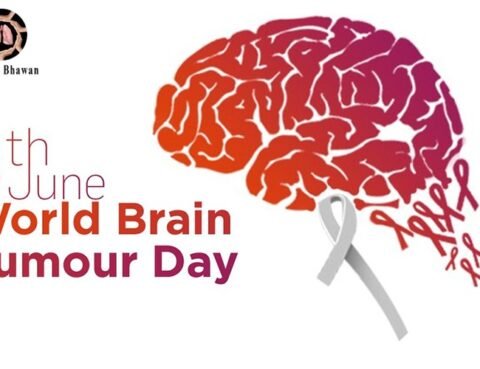
World Brain Tumor Day 2026: Theme, Importance & Awareness
Every year on June 8, the world's medical community, patients, caregivers, and activists unite to celebrate World Brain Tumor Day, a day devoted to increasing awareness of one of the most difficult disorders in contemporary medicine. This observance, which was started by the German Brain Tumor Association in 2000, has developed into a global movement that promotes early identification and research, educates the public, and helps patients. The 2026 World Brain Tumor Day theme upholds this custom by highlighting issues that require immediate action. On World Brain Tumor Day 2026, Asthma Bhawan stands committed to spreading awareness about brain tumors, encouraging early diagnosis, and supporting patients and their families through every step of their healthcare journey.
This important day serves as a reminder of the need for prompt medical care, improved treatment facilities, and psychological support for individuals suffering from brain tumors. In order to promote early detection and better recovery prospects, Asthma Bhawan seeks to inform people about the symptoms, risk factors, and significance of routine health examinations. Together, let's spread knowledge, encourage optimism, and strive for a better future for all those impacted by brain tumors.
What is World Brain Tumor Day?
Every year on June 8, people mark World Brain Tumor Day. In order to honor brain tumor patients and raise awareness of this illness worldwide, the German Brain Tumor Association (Deutsche Hirntumorhilfe e.V.) originally established it as a dedicated day in 2000.
The celebration has spread to more than 30 nations over the last 20 years, in addition to Germany. Through public lectures, educational campaigns, fundraising events, and social media drives, hospitals, research institutes, non-profits, and patient advocacy groups take part.
The day serves three core purposes:
- Education: Educating the public on symptoms, risk factors, and the significance of prompt medical examination
- Support: Showing support for patients and their families who are dealing with serious mental and physical difficulties
- Advocacy: Advocating for increased funding for clinical trials, brain tumor research, and access to cutting-edge therapy.
World Brain Tumor Day History
The origins of World Brain Tumor Day can be found in the late 1990s, when a group of German neurologists and patient activists realized that, despite their severe effects on quality of life, brain tumors received significantly less public attention than other cancers. The German Brain Tumor Association formalised this into an annual observance in 2000. As time went on, international organizations like the International Brain Tumor Alliance (IBTA) started organizing worldwide events around the same date, greatly expanding the message.
What began as a regional campaign has now evolved into a global health awareness movement, with events taking place across Europe, Asia, the Americas, and many other parts of the world.
Why World Brain Tumor Day Matters?
The significance of World Brain Tumor Day cannot be emphasized, given the scope of the issue. Global health data indicate that there are about 308,000 new cases of brain and nervous system cancers detected each year. Although brain tumors make up about 3% of all cancer diagnoses, they have a disproportionately high burden because they impact the organ that governs all of our thoughts, emotions, and behaviors. Key reasons this day holds such significance:
- Symptoms are often misread. Stress or other factors are frequently blamed for headaches, dizziness, altered vision, and memory loss, which results in a delayed diagnosis.
- Brain disorders are still stigmatized. Public education aids in dispelling myths and motivates people to seek medical care without hesitation.
- The caregiver burden is enormous. Patients with brain tumors frequently need 24-hour care. Campaigns to raise awareness highlight the needs of relatives as well as patients.
- Funding for research is still minimal. Compared to lung or breast cancer, brain tumors receive less research funding per diagnosis, despite their complexity. Funding decisions are directly influenced by public campaigns.
- Survival rates vary dramatically by type. Glioblastomas are still among the most aggressive and challenging cancers to treat, despite the fact that other tumors, such as meningiomas, have a comparatively decent prognosis. Demand for better treatment alternatives is supported by increased awareness.
Key Facts About Brain Tumors
Before discussing what you can do, the following background information helps put the bigger problem in perspective:
- The WHO has recognized more than 120 forms of malignancies of the brain and central nervous system.
- Brain tumors are one of the main causes of cancer-related mortality in children under 15; children are not immune.
- Location matters more than size. A larger tumor in a less sensitive section of the brain may not be as hazardous as a tiny one in a crucial area.
- Brain tumors can be secondary or metastatic, meaning they spread from cancer elsewhere in the body, or primary, meaning they start in the brain.
- One reason tumors are often misdiagnosed in their early stages is that their symptoms vary depending on where they are located.
Every year, World Brain Tumor Day is held to raise awareness of brain tumors, provide support to patients and caregivers, and promote early detection and treatment.
World Brain Tumor Day is observed annually on June 8.
It highlights the difficulties faced by patients and their families, encourages early diagnosis, and aids in educating people about the signs of brain tumors.
Yes, depending on the situation, treatment options may include targeted therapy, radiation therapy, chemotherapy, surgery, or a combination of these.
Regardless of gender or origin, brain tumors can afflict individuals of all ages, including toddlers and adults.
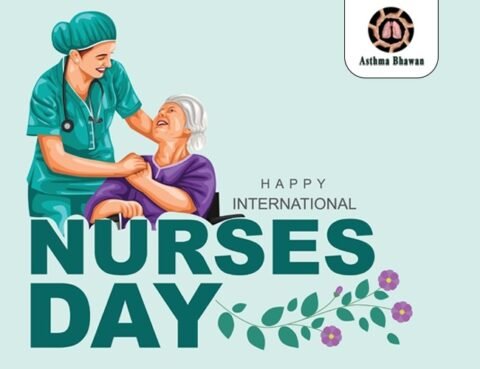
International Nurses Day 2026: What it is and Why We Celebrate
Every heartbeat that is healed, every hand that is tenderly held, and every restless night that is devoted to saving lives serves as a reminder of why nurses are the real power of healthcare. On 12th May 2026, International Nurses Day celebrates the incredible souls who dedicate their lives to healing, caring, and bringing comfort to others. The unsung heroes of healthcare, nurses put in many hours behind every success story, providing hope during difficult times and courage during terrifying ones. Every day, their kindness, tolerance, and unshakable dedication have a profound impact on countless lives. Nursing is more than just a job; it's a lovely act of kindness that touches people's hearts outside of hospitals. This day is a heartfelt tribute to every nurse whose dedication continues to inspire humanity and make the world healthier, brighter, and safer.
On the occasion of International Nurses Day 2026, Asthma Bhawan Guide proudly honors the dedication, compassion, and tireless efforts of nurses who serve as the backbone of healthcare. Every day, their gentle impacts, calming words, and steadfast dedication give countless lives hope and healing. In addition to offering medical assistance, nurses help patients feel strong and optimistic throughout their most trying times. This unique day is a loving homage to these real-life heroes whose unselfish work continues to significantly contribute to the development of a happier and healthier society.
What is the Theme of International Nurses Day in 2026?
The 2026 theme for International Nurses Day is “Our Nurses. Our Future. Empowered Nurses Save Lives”.
When Did International Nurses Day Begin?
The ICN has observed International Nurses Day since 1965. But it wasn't until 1974 that May 12th was selected as the date to commemorate Florence Nightingale's birth anniversary.
History of International Nurses Day
In 1953, Dorothy Sutherland, a U.S. Department of Health, Education, and Welfare official, proposed an October Nurses Day in a letter to President Eisenhower. Eisenhower never put his signature on the declaration. In October 1954, National Nurses Week was observed for the first time. It was the 100th anniversary of her expedition to Crimea. President Nixon didn't announce National Nurses Week until 1974, twenty years later. Then, in 1981, New Mexico declared National Recognition Day for Nurses on May 6th. The National RN Recognition Day was established on May 6th by the American Nurses Association (ANA) to recognize the dedication of nurses not just on that day but all year long.
How is International Nurses Day Celebrated?
The International Nurses' Day kit, which includes useful educational and public information resources that nurses worldwide can use, is prepared and distributed annually by the International Council of Nurses. However, countries around the world celebrate these occasions in their own ways. For instance, every year in London's Westminster Abbey, a symbolic lantern is transferred from one nurse to another until it reaches the Nurses' Chapel, where it is put on the High Altar. This symbolises the passing of knowledge from one nurse to another.
Symbols of Nurses Day
The oil lamp is particularly connected to Nurses Day, but there are other symbols related to nursing. Florence Nightingale, the pioneer of nursing, is often associated with this sign since, during the Crimean War, she would visit her patients at night. The red cross stands for medical care and humanity, while the nursing cap symbolizes honor, discipline, and dedication to the field. Another powerful symbol is the white uniform, reflecting purity, cleanliness, and selfless service.
Why is International Nurses Day Celebrated?
The purpose of International Nurses Day is to recognize the efforts of nurses who provide everyday patient care in a range of healthcare environments.
Additionally, it pays tribute to the nurses of the past and their commitment to the field. Nurses Week officially begins on International Nurses Day.
Ways to Celebrate Nurses' Day
There are countless ways to celebrate Nurses Day. Sometimes sending a simple message of gratitude is the best course of action. Give thanks to the nurses in your life. Since nursing is frequently an unappreciated profession, even something as basic as a card or a verbal thank you can make someone's day. Other ways to celebrate include:
- Give your favorite outstanding nurse a Bravo or suggest that they receive a Daisy award.
- Treat them to a spa day, including massages and mani/pedis.
- Buy a cocktail for them after work.
- Make a care basket with readily accessible food, lotions, lip glosses, and pens for the unit.
- Donate to a favorite charity.
- Give blood or donate bone marrow.
On May 12, 2026, International Nurses Day will be observed to recognize the commitment and contributions made by nurses globally.
The day is observed on 12th May because it marks the birth anniversary of Florence Nightingale, the founder of modern nursing.
International Nurses Day honors the dedication, empathy, and hard work of nurses who are essential to patient care and healthcare.
The International Council of Nurses (ICN) created the event to recognize and respect nurses around the world.
Nurses are essential because they provide patient care, emotional support, medical assistance, and help improve the overall healthcare system.
People can show their appreciation for nurses by planning parties, sending thank-you notes, expressing thanks, or acknowledging their commitment on social media and at local events.
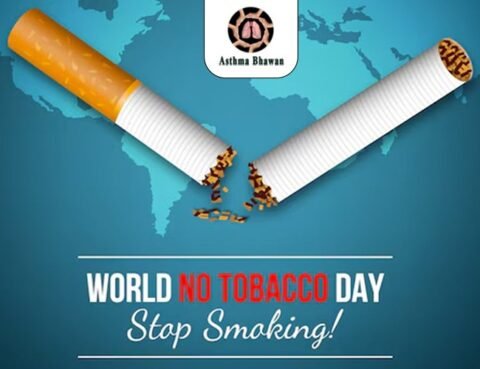
World No Tobacco Day 2026: Breathe Free, Live Tobacco-Free
World No Tobacco Day is observed annually on May 31 by the World Health Organization (WHO). Their mission is to raise awareness of the dangers of tobacco use and ways to end tobacco usage globally. Every year, tobacco-related illnesses claim the lives of about 6 million people, and by 2030, that figure is expected to increase to more than 8 million. But this is by no means a guarantee. A third fewer deaths from non-infectious diseases is the goal of the Sustainable Development Agenda. If we reach the goal, 2030 will be a year to celebrate—not just for our health but also for the size of our wallets - because tobacco-related diseases are on the list. The typical smoker spends about $4,000 a year on cigarettes.
On World No Tobacco Day 2026, Asthma Bhawan stands as a strong voice against the harmful effects of tobacco on respiratory health. Asthma Bhawan emphasizes how tobacco smoking, both active and passive, can significantly exacerbate asthma and other lung problems. The organization is committed to raising awareness and encouraging better lifestyles. The cause urges people to stop smoking and safeguard their lungs for a better future through community outreach, patient support programs, and educational activities.
World No Tobacco Day History
Every year on May 31, the World Health Organization observes World No Tobacco Day. The campaign seeks to raise awareness of the risks associated with tobacco use, its detrimental effects on health, and the nicotine industry's abuse of young people. It also aims to reduce the diseases and deaths caused by tobacco consumption. In 1987, the World Health Organization's Member States established World No Tobacco Day in response to the worldwide tobacco crisis and the illnesses and fatalities brought on by the epidemic. In 1987, the World Health Assembly adopted Resolution WHA40.38, which established April 7 as "World No-Smoking Day." Then, in 1988, Resolution WHA42.19 was passed, designating May 31 as World No Tobacco Day each year.
Timeline of World No Tobacco Day
- 1960s (Read it and Weep):- Cigarette and tobacco packaging in the United States first included health warnings.
- 1987 (Global Concern):- To tackle the tobacco pandemic, the World Health Organization established World No Tobacco Day.
- 1988 (WHA42.9):- May 31 is designated as World No Tobacco Day by the passing of a resolution WHA42.19.
- 2003 (Now, it’s Official):- The Framework Convention on Tobacco Control, which uses labels to raise awareness of the dangers of smoking, was adopted by the World Health Organization.
How to Observe World No Tobacco Day
- Count the Number of Cigarettes you Smoke
Who can blame you if you're not ready to give up? It’s tough. However, you can begin preparing for your departure by keeping track of how many cigarettes you smoke each day. You'll begin to consider your health and the amount of money you spend on tobacco. There are several self-help books available to help you get through the initial difficult phases when you're ready to make the move.
- Educate the Youth
The best method to stop smoking is, as they say, to never start. Therefore, make an effort to persuade young individuals in your vicinity to completely abstain from the practice. Depending on where you reside, there may be public protests or a march. Maybe you can design a cool poster to assist in promoting them. Better yet, organize a competition to find the greatest anti-smoking poster. Teens can be a little devious, so before they make the big reveal, parents should make sure they know exactly what is "appropriate."
- Lobby for Sticker Laws
Cigarette boxes with warning markings discourage smoking. Please sign this petition to support this legislation so that the trend keeps gaining traction. Also, plain packaging laws could use some more backing. These laws make it more difficult to market tobacco products by restricting their trademarks and colors. It's true that you can't judge a book by its cover. People do, in fact, evaluate a product based on its packaging.
5 Horrifying Facts About Smoking
- Tobacco is Full of Chemicals:- Tobacco smoke contains around 7,000 different compounds.
- Some Chemicals can Cause Cancer:- 69 of these harmful chemicals are known to cause cancer.
- Smoking Laws aren’t Widespread:- Only 20% of people worldwide—mostly in wealthy nations—are covered by smoking bans.
- The Coming Generations will also be affected:- According to statistics, smoking-related diseases will kill 5.6 million youngsters in the United States today.
- Smoking can Literally Kill You:- Five cigarettes have enough nicotine to kill a typical adult if consumed in their entirety.
Why World No Tobacco Day is Important
- It shows us how the Tobacco Industry Contributes to Poverty
Approximately 80% of tobacco-related deaths occur in low- and middle-income nations. In other words, the poorest people are the ones most negatively affected. Money that could be spent on health care, food, or education is instead spent on tobacco because of addiction.
- It warns us of the Dangers of Second-Hand Smoke
Every year, secondhand smoke kills more than 600,000 people. Sadly, children make up around 28% of the victims. However, we're fortunate that the rate isn't greater, given that almost 50% of kids breathe smoky air in public areas.
- It Demonstrates how the Tobacco Industry Damages the Environment
Growing tobacco takes a lot of pesticides and fertilizers. Although some of these harmful substances may find their way into water systems, the harm doesn't end there. The production process uses 4.3 million hectares of land and generates over 2 million tons of trash.
It is observed on May 31 to spread awareness about the harmful effects of tobacco.
It is led by the World Health Organization.
It highlights the health risks of tobacco and encourages people to quit.
Heart disease, lung problems, cancer, and reduced life expectancy.
Better health, improved breathing, and a lower chance of illnesses.
World Asthma Day 2026: Increasing Awareness About this Growing Health Concern
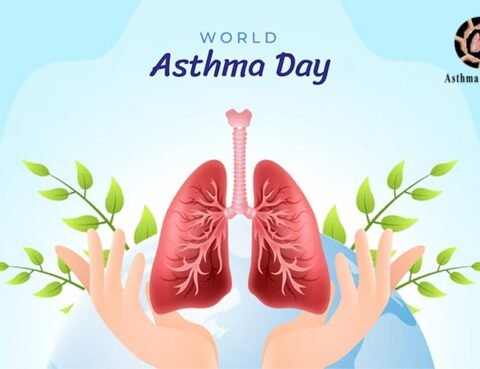
Every year, World Asthma Day is held to raise awareness of asthma, a disorder that affects millions of people in India and is still a major global public health concern. World Asthma Day 2026 will be observed on Tuesday, May 5, 2026, as part of a global effort to raise awareness about asthma and its impact on millions of lives. Over 35 million people in India are thought to suffer from asthma; major triggers include indoor allergens, seasonal variations, and air pollution. In many places, poor air quality exacerbates symptoms, increasing hospital visits and making breathing difficult. It serves as a reminder to educate individuals about recognizing symptoms such as wheezing, breathlessness, and persistent coughing, and encourages patients to follow their treatment plans regularly. On the occasion of World Asthma Day 2026, Asthma Bhawan reaffirms its commitment to spreading awareness and guiding individuals toward better respiratory health.
Theme for World Asthma Day 2026
The 2026 theme for World Asthma Day is “Access to anti-inflammatory inhalers for everyone with asthma – still an urgent need.”
This theme continues a global movement that has been growing over the last few years to guarantee that necessary inhalation drugs are available, reasonably priced, and utilized appropriately.
What are the Most Common Symptoms of Asthma?
Mild to severe asthma symptoms can interfere with day-to-day activities and general health. Early detection of these signs can aid in controlling the illness and averting consequences.
- Shortness of Breath: A typical symptom of asthma is difficulty breathing, particularly at night or after vigorous exertion. This happens when the airways constrict and become irritated.
- Wheezing: A whistling or squeaky sound while breathing, particularly when exhaling, indicates restricted airflow in the lungs. One of the main signs of asthma flare-ups is wheezing.
- Chronic Coughing: Persistent coughing, especially after exercise or at night, may signal asthma. The cough can be mucus-producing or dry, and it frequently gets worse when exposed to smoke, cold air, or allergies.
- Chest Tightness: An asthma attack may cause a sensation of tightness or pressure in the chest. Breathing deeply may become difficult as a result of this sensation.
- Increased Mucus Production: Excessive mucus production brought on by airway inflammation can make breathing difficult and raise the risk of congestion and coughing.
- Frequent Respiratory Infections: Asthma sufferers may be more susceptible to colds, the flu, or bronchitis because their airways are more vulnerable to infections.
How Can You Identify Asthma Triggers?
Although asthma triggers differ from person to person, understanding them is crucial to controlling the illness and averting flare-ups. Allergens, environmental conditions, respiratory illnesses, and lifestyle choices are common triggers.
- Air Pollution: Asthma symptoms can be exacerbated by exposure to cigarette smoke, industrial pollutants, and automobile emissions. Frequent attacks are more likely in areas with poor air quality, particularly in cities with high pollution levels.
- Dust and Indoor Allergens: Pet dander, dust mites, mold, and cockroach droppings are common indoor triggers. These allergens can become trapped in carpets, beds, and upholstered furniture, making breathing difficult.
- Pollen and Seasonal Changes: Asthma attacks can be brought on by high pollen levels during specific seasons, particularly in people who are sensitive to airborne allergens. Sudden weather changes, such as shifts in temperature or humidity, can also worsen symptoms.
- Respiratory Infections: Breathing becomes more difficult when the airways are inflamed by viral diseases such as pneumonia, the common cold, or the flu. Severe respiratory difficulties are especially dangerous for children and the elderly who have asthma.
- Strong Odours and Irritants: Airway inflammation can be brought on by chemical vapors, cleaning chemicals, and perfumes. Asthma symptoms can also be brought on by smoke from fireworks, incense, or burning wood.
- Physical Activity: Activity-induced bronchoconstriction, which causes wheezing and shortness of breath, can result after vigorous activity, particularly in cold or dry air. Warming up properly and using regulated breathing methods can help control symptoms.
Why is Asthma a Growing Public Health Concern?
In India, asthma rates are rising, making it a major public health concern. This increase is caused by a number of variables that impact people of all ages and result in problems and frequent hospital visits.
- Rising Prevalence: Asthma is becoming more and more common. Millions of people in India suffer from asthma, making up a sizable portion of the world's asthma population.
- Worsening Air Pollution: The air is dangerous to breathe because of pollutants from industrial processes, automobile emissions, and construction dust.
- Urbanisation and Lifestyle Changes: Indoor allergens like dust mites, pet dander, and mold are more common in modern living environments.
- Seasonal Changes and Pollen Levels: Seasons with a lot of pollen, excessive humidity, and weather variations all contribute to an increase in asthma cases. High pollen counts in cities with extensive vegetation make it challenging for people with asthma to breathe correctly during some times of the year.
- Limited Awareness and Delayed Diagnosis: Many people are unable to identify early signs of asthma, such as a chronic cough, dyspnea, or tightness in the chest. This raises the possibility of severe asthma attacks by delaying identification and treatment.
World Asthma Day 2026 will be observed on Tuesday, May 5, 2026.
It aims to improve care, increase awareness of asthma, and motivate individuals to effectively manage the illness.
It is organised by the Global Initiatives for Asthma.
Asthma is a long-term lung disease that narrows and inflames the airways, making it difficult to breathe.
Asthma can be managed by taking prescription drugs as directed, staying away from irritants, and routinely adhering to medical recommendations.
Top Allergy Rhinitis Specialist in Jaipur for Children & Adults
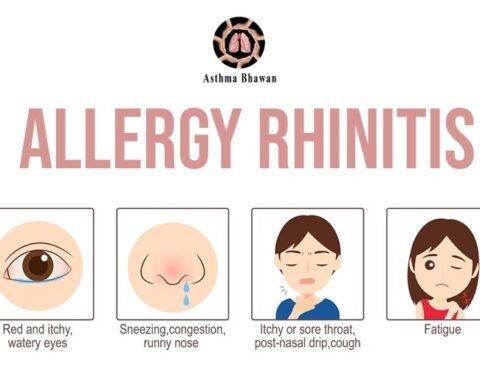
Allergy Rhinitis is a common allergic condition that leads to symptoms like nasal congestion, sneezing, runny nose, and itchy or watery eyes, often triggered by pollen, dust, or other allergens. If not treated on time, it can significantly affect daily comfort and productivity. Consulting the right Allergy Rhinitis specialist in Jaipur ensures effective treatments, proper diagnosis, and guidance to manage allergens in your environment. You may manage symptoms, avoid complications, and lead a healthy lifestyle with professional treatment and modern medical techniques. Finding the right Allergy Rhinitis treatment doctor near me-you in Jaipur can help you get an expert diagnosis, personalized treatment plans, and long-term relief of recurring allergy symptoms, enhancing your general well-being and health.
Asthma Bhawan serves as a trusted guide for people struggling with respiratory issues, including the common problem of allergic rhinitis. This condition can cause nasal congestion, sneezing, itchy eyes, and a runny nose, making daily life uncomfortable. For effective relief, consulting an Allergy Rhinitis specialist doctor & treatment in Jaipur is crucial, as they can provide personalized treatment plans, accurate diagnosis, and tips to manage triggers at home. Patients can breathe more easily, experience fewer symptoms, and lead more pleasant, healthy lives with the correct care.
Leading Experts for Allergy Rhinitis Treatment
Effective management of allergic rhinitis necessitates advice from qualified specialists who are aware of the triggers and offer specialized therapies. In Asthma Bhawan, Dr. Virendra Singh and Dr. Nishtha Singh are renowned for their expertise and compassionate care, helping patients find long-lasting relief. Visiting an Allergy Rhinitis specialist in Jaipur, India ensures accurate diagnosis, individualized treatment plans, and helpful advice on managing allergies, improving comfort, and health.
Symptoms of Allergic Rhinitis (Hay Fever)
Hay fever symptoms can appear throughout the year. Depending on where you live, spring, summer, and early fall are the worst seasons for outdoor allergies. In war, weathers, weeds, and flowers bloom, and pollen counts are higher. People spend more time at home with their windows closed during the winter, which can exacerbate indoor allergies like dust mites and pet allergies.
Symptoms of hay fever include:
- Red or watery eyes
- Nasal stuffiness (congestion), sneezing, and a runny nose
- More mucus in your throat and nose
- Dark circles under your eyes, sinus congestion, and headaches
- Postnasal drip, or a sore throat caused by mucus pouring down your throat
- Tiredness
- Coughing, wheezing, and trouble breathing
What Causes Hay Fever (Allergic Rhinitis)
Allergy rhinitis is the result of your body's immune system reacting to an allergen in the air. The allergens (irritants) are so small that they are easily inhaled by the mouth or nose. Allergens are harmless to most people. Your immune system, however, believes the allergen is intruding if you have hay fever. Your immune system releases natural substances into your bloodstream in an attempt to defend your body. Understanding the exact cause is essential for effective management, and consulting an Allergy Rhinitis specialist in Jaipur can help in locating triggers, offering precise diagnoses, and suggesting individualized therapies to manage symptoms and enhance general health.
The main chemical is called histamine. As they attempt to expel the allergen from your body, it makes the mucous membranes in your eyes, throat, and nose swell and itch. Numerous allergens can cause allergic rhinitis, including:
- Pollen from trees, grass, and weeds
- Dust mites that reside in furniture, bedding, draperies, and carpets
- Mold spores
- Pet dander (tiny flakes of dead skin cells)
- Cockroaches (their saliva and waste)
Inflammation of the nose and throat can also be caused by food allergies. Get medical attention immediately if you're worried that a certain food is triggering allergy symptoms on a regular basis because food allergies can be fatal.
What are the Risk Factors for Hay Fever?
Since allergies run in families, having a parent or close relative with allergies increases your risk of developing hay fever. People who have eczema or asthma are also more likely to develop hay fever.
Diagnosis and Tests
How is hay fever diagnosed?
You will be examined, questioned about your symptoms, and checked for other illnesses like asthma or a cold by your healthcare practitioner. They can also perform allergy tests. A blood sample is used to assess antibodies to an allergen in a blood allergy test. This blood test is called an immunoglobulin E (IgE) test. The majority of allergy types, including food allergies, can be detected by it.
Your doctor might also suggest an intradermal test or a skin prick to identify the allergens causing your symptoms. During a skin prick test, your healthcare provider applies a small sample of different allergens to your skin, usually on your back or forearm. Your skin gets pricked or scratched with a needle. The area will turn red, itchy, and inflamed within 15 to 30 minutes if you have an allergy to that particular allergen. Similar procedures are used for intradermal testing, but your allergist applies the allergen beneath your skin. The same applies to how your skin reacts to a prick test.
Management and Treatment
How can allergic rhinitis, or hay fever, be cured?
A number of allergy drugs can help you manage your hay fever symptoms. These treatments come in many forms, including pills, eye drops, liquids, injections, and nasal sprays. Consulting an Allergy Rhinitis specialist in Jaipur ensures a proper diagnosis, personalized treatment plan, and expert guidance on long-term management, and helps patients breathe easier and enhance their overall quality of life.
- Antihistamines
- Decongestants
- Corticosteroid nasal sprays
- Leukotriene Inhibitors
- Immunotherapy
An allergic reaction known as allergic rhinitis results in a runny nose, itchy eyes, nasal congestion, and sneezing.
Dust mites, pollen, mold, pet dander, and specific foods are examples of common triggers.
Diagnosis is done through physical examination, medical history, and allergy tests.
Yes, an allergy rhinitis specialist can provide proper diagnosis and personalized care.
Yes, decreasing exposure to allergens, keeping surroundings and environment clean, and using air purifiers help manage symptoms.