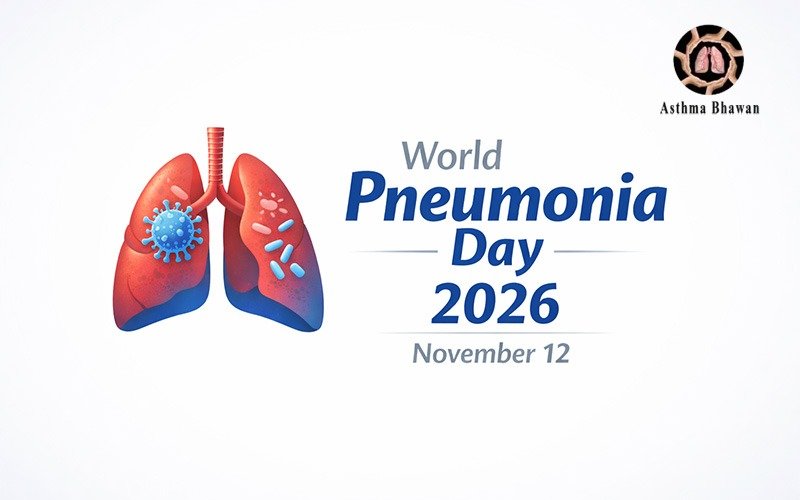
World Pneumonia Day 2026: Breathing Life Into Every Moment
Today, we wear a blue ribbon to recognize World Pneumonia Day, a global effort to raise awareness about one of the leading causes of death in children and adults globally. An illness called pneumonia causes inflammation in one or both of the lungs' air sacs, which makes it harder for the body to get the oxygen it needs. It can be caused by viruses, bacteria, or fungi, and while preventable and treatable, it still claims millions of lives each year. The most vulnerable groups include children, the elderly, and people with compromised immune systems. The World Health Organization (WHO) lists the following as possible pneumonia signs and symptoms:
- Cough
- Shortness of breath
- Fever, sweating, and shaking chills
- Fatigue
- Chest pain
- Nausea, vomiting, or diarrhea
- Confusion, especially in older adults
If pneumonia is not detected early, many people may end up needing mechanical breathing during the winter months, when there is frequently an increase in cases. Asthma Bhawan observes World Pneumonia Day 2026 with the theme “Breathing Life Into Every Moment,” highlighting the benefits of lung health, timely treatment, early diagnosis, and preventive care. All ages are susceptible to pneumonia, a dangerous respiratory illness, but young children, the elderly, and those with compromised immune systems are more vulnerable.
Understanding the Causes of Pneumonia
Numerous pathogenic species, such as bacteria, viruses, and, less frequently, fungus, can cause pneumonia.
- Bacterial Pneumonia: Bacterial pneumonia is frequently caused by microorganisms like Streptococcus pneumoniae. Fever, coughing, chest pain, and breathing difficulties are among the symptoms that might appear abruptly.
- Viral Pneumonia: Viruses, including influenza viruses and respiratory syncytial virus (RSV), can cause pneumonia. Some viral infections may also lead to secondary bacterial infections.
- Fungal Pneumonia: Pneumonia can be caused by some fungi, especially in individuals with compromised immune systems or in certain environmental conditions.
Recognizing the Signs and Symptoms
The organism causing the infection, a person's age, and general health can all affect the symptoms of pneumonia. Common symptoms include:
- Persistent cough, sometimes producing mucus
- Shortness of breath or rapid breathing
- Chills, fever, and sweating
- Fatigue, weakness, and reduced appetite
- Chest pain that gets worse when you cough or breathe.
- Confusion or unusual sleepiness, especially in senior citizens.
Who is at Greater Risk?
Although pneumonia can affect anyone, some people are more vulnerable to severe infection. Children under five years old, adults 65 and older, those with long-term cardiovascular or respiratory disorders, those with compromised immune systems, and those with specific underlying medical conditions are among them.
Smoking, exposure to indoor and outdoor air pollution, malnutrition, and inadequate access to healthcare can also increase the risk of respiratory illness or worsen its effects. Preventing respiratory infections is crucial for those who have asthma since they can aggravate pre-existing breathing problems and produce asthma symptoms. Better respiratory health can be supported by adhering to a customized asthma management plan and consulting a doctor when symptoms worsen.
How is Pneumonia Diagnosed?
Pneumonia cannot always be distinguished from other respiratory infections by symptoms alone. A medical history, physical examination, and evaluation of breathing and oxygen levels are usually part of the diagnosis process. A medical practitioner may suggest a chest X-ray, blood tests, sputum testing, or other investigations based on the patient's condition.
Early diagnosis aids in assessing the severity of the condition and determining if home or hospital therapy is required. Instead of depending just on self-medication, anyone with a prolonged fever, increasing cough, dyspnea, or other worrisome symptoms should speak with a trained healthcare provider.
Practical Ways to Prevent Pneumonia
The reduction of pneumonia-related disease is mostly dependent on prevention. Communities, families, and people can all be protected with easy, regular actions.
- Stay up to date with recommended vaccinations: Influenza, COVID-19, pneumococcal, and other pertinent vaccinations can lower the risk of some diseases and their consequences. Age, health status, vaccination history, and country guidelines all influence recommendations. Consult a healthcare professional about suitable vaccinations.
- Maintain good hand hygiene: Wash your hands regularly with soap and water or use an alcohol-based hand rub when appropriate.
- Practise respiratory hygiene: When you're sick, cover your mouth and nose when you cough or sneeze, dispose of tissues properly, and stay away from people.
- Avoid smoking and tobacco exposure: Smoking damages the respiratory system and can increase susceptibility to lung infections. Avoid second-hand smoke as well.
- Improve indoor air quality: Make sure there is enough ventilation, limit exposure to smoke from cooking fuels, and, whenever feasible, avoid coming into contact with dust and other contaminants.
- Support overall health: Regular physical activity appropriate to your health, a balanced diet, sufficient sleep, and effective management of chronic conditions contribute to general well-being.
- Seek timely medical care: Pneumonia can be diagnosed, and the risk of consequences can be decreased with.
The Role of Awareness Community Action
Pneumonia prevention is not only an individual responsibility, it is also a community priority. By disseminating trustworthy health information, supporting immunization, encouraging clean air habits, and assisting those in need of prompt medical attention, families, educational institutions, healthcare facilities, and community organizations may all make a positive impact.
World Pneumonia Day is observed on 12 November every year to raise awareness about pneumonia, its prevention and treatment.
Common symptoms include fever, chills, cough, chest pain, fatigue, and shortness of breath.
Older adults, young children, and people with weakened immunity or chronic health conditions are at higher risk.
Vaccination, good hygiene, handwashing, avoiding smoking, and maintaining healthy indoor air can help reduce the risk.
Yes, depending on the cause and severity, treatment may involve supportive care for viral infections or medications for bacterial pneumonia.