World Asthma Day 2026: Increasing Awareness About this Growing Health Concern
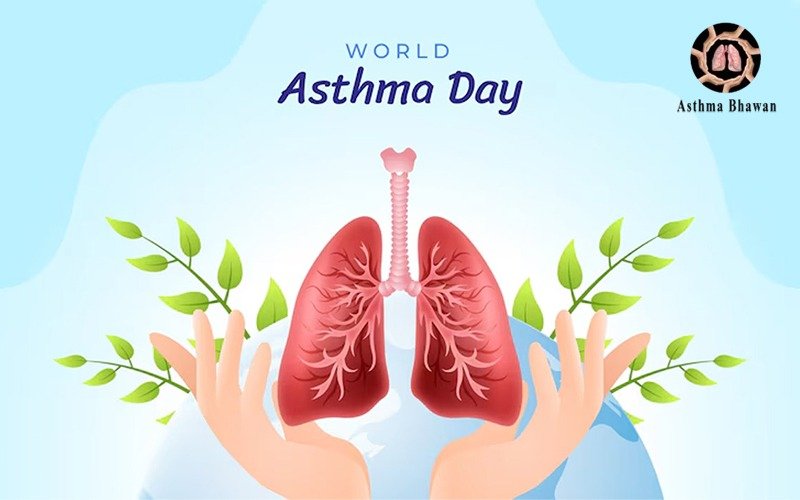
Every year, World Asthma Day is held to raise awareness of asthma, a disorder that affects millions of people in India and is still a major global public health concern. World Asthma Day 2026 will be observed on Tuesday, May 5, 2026, as part of a global effort to raise awareness about asthma and its impact on millions of lives. Over 35 million people in India are thought to suffer from asthma; major triggers include indoor allergens, seasonal variations, and air pollution. In many places, poor air quality exacerbates symptoms, increasing hospital visits and making breathing difficult. It serves as a reminder to educate individuals about recognizing symptoms such as wheezing, breathlessness, and persistent coughing, and encourages patients to follow their treatment plans regularly. On the occasion of World Asthma Day 2026, Asthma Bhawan reaffirms its commitment to spreading awareness and guiding individuals toward better respiratory health.
Theme for World Asthma Day 2026
The 2026 theme for World Asthma Day is “Access to anti-inflammatory inhalers for everyone with asthma – still an urgent need.”
This theme continues a global movement that has been growing over the last few years to guarantee that necessary inhalation drugs are available, reasonably priced, and utilized appropriately.
What are the Most Common Symptoms of Asthma?
Mild to severe asthma symptoms can interfere with day-to-day activities and general health. Early detection of these signs can aid in controlling the illness and averting consequences.
- Shortness of Breath: A typical symptom of asthma is difficulty breathing, particularly at night or after vigorous exertion. This happens when the airways constrict and become irritated.
- Wheezing: A whistling or squeaky sound while breathing, particularly when exhaling, indicates restricted airflow in the lungs. One of the main signs of asthma flare-ups is wheezing.
- Chronic Coughing: Persistent coughing, especially after exercise or at night, may signal asthma. The cough can be mucus-producing or dry, and it frequently gets worse when exposed to smoke, cold air, or allergies.
- Chest Tightness: An asthma attack may cause a sensation of tightness or pressure in the chest. Breathing deeply may become difficult as a result of this sensation.
- Increased Mucus Production: Excessive mucus production brought on by airway inflammation can make breathing difficult and raise the risk of congestion and coughing.
- Frequent Respiratory Infections: Asthma sufferers may be more susceptible to colds, the flu, or bronchitis because their airways are more vulnerable to infections.
How Can You Identify Asthma Triggers?
Although asthma triggers differ from person to person, understanding them is crucial to controlling the illness and averting flare-ups. Allergens, environmental conditions, respiratory illnesses, and lifestyle choices are common triggers.
- Air Pollution: Asthma symptoms can be exacerbated by exposure to cigarette smoke, industrial pollutants, and automobile emissions. Frequent attacks are more likely in areas with poor air quality, particularly in cities with high pollution levels.
- Dust and Indoor Allergens: Pet dander, dust mites, mold, and cockroach droppings are common indoor triggers. These allergens can become trapped in carpets, beds, and upholstered furniture, making breathing difficult.
- Pollen and Seasonal Changes: Asthma attacks can be brought on by high pollen levels during specific seasons, particularly in people who are sensitive to airborne allergens. Sudden weather changes, such as shifts in temperature or humidity, can also worsen symptoms.
- Respiratory Infections: Breathing becomes more difficult when the airways are inflamed by viral diseases such as pneumonia, the common cold, or the flu. Severe respiratory difficulties are especially dangerous for children and the elderly who have asthma.
- Strong Odours and Irritants: Airway inflammation can be brought on by chemical vapors, cleaning chemicals, and perfumes. Asthma symptoms can also be brought on by smoke from fireworks, incense, or burning wood.
- Physical Activity: Activity-induced bronchoconstriction, which causes wheezing and shortness of breath, can result after vigorous activity, particularly in cold or dry air. Warming up properly and using regulated breathing methods can help control symptoms.
Why is Asthma a Growing Public Health Concern?
In India, asthma rates are rising, making it a major public health concern. This increase is caused by a number of variables that impact people of all ages and result in problems and frequent hospital visits.
- Rising Prevalence: Asthma is becoming more and more common. Millions of people in India suffer from asthma, making up a sizable portion of the world's asthma population.
- Worsening Air Pollution: The air is dangerous to breathe because of pollutants from industrial processes, automobile emissions, and construction dust.
- Urbanisation and Lifestyle Changes: Indoor allergens like dust mites, pet dander, and mold are more common in modern living environments.
- Seasonal Changes and Pollen Levels: Seasons with a lot of pollen, excessive humidity, and weather variations all contribute to an increase in asthma cases. High pollen counts in cities with extensive vegetation make it challenging for people with asthma to breathe correctly during some times of the year.
- Limited Awareness and Delayed Diagnosis: Many people are unable to identify early signs of asthma, such as a chronic cough, dyspnea, or tightness in the chest. This raises the possibility of severe asthma attacks by delaying identification and treatment.
World Asthma Day 2026 will be observed on Tuesday, May 5, 2026.
It aims to improve care, increase awareness of asthma, and motivate individuals to effectively manage the illness.
It is organised by the Global Initiatives for Asthma.
Asthma is a long-term lung disease that narrows and inflames the airways, making it difficult to breathe.
Asthma can be managed by taking prescription drugs as directed, staying away from irritants, and routinely adhering to medical recommendations.