Top Allergy Rhinitis Specialist in Jaipur for Children & Adults
Allergy Rhinitis is a common allergic condition that leads to symptoms like nasal congestion, sneezing, runny nose, and itchy or watery eyes, often triggered by pollen, dust, or other allergens. If not treated on time, it can significantly affect daily comfort and productivity. Consulting the right Allergy Rhinitis specialist in Jaipur ensures effective treatments, proper diagnosis, and guidance to manage allergens in your environment. You may manage symptoms, avoid complications, and lead a healthy lifestyle with professional treatment and modern medical techniques. Finding the right Allergy Rhinitis treatment doctor near me-you in Jaipur can help you get an expert diagnosis, personalized treatment plans, and long-term relief of recurring allergy symptoms, enhancing your general well-being and health.
Asthma Bhawan serves as a trusted guide for people struggling with respiratory issues, including the common problem of allergic rhinitis. This condition can cause nasal congestion, sneezing, itchy eyes, and a runny nose, making daily life uncomfortable. For effective relief, consulting an Allergy Rhinitis specialist doctor & treatment in Jaipur is crucial, as they can provide personalized treatment plans, accurate diagnosis, and tips to manage triggers at home. Patients can breathe more easily, experience fewer symptoms, and lead more pleasant, healthy lives with the correct care.
Leading Experts for Allergy Rhinitis Treatment
Effective management of allergic rhinitis necessitates advice from qualified specialists who are aware of the triggers and offer specialized therapies. In Asthma Bhawan, Dr. Virendra Singh and Dr. Nishtha Singh are renowned for their expertise and compassionate care, helping patients find long-lasting relief. Visiting an Allergy Rhinitis specialist in Jaipur, India ensures accurate diagnosis, individualized treatment plans, and helpful advice on managing allergies, improving comfort, and health.
Symptoms of Allergic Rhinitis (Hay Fever)
Hay fever symptoms can appear throughout the year. Depending on where you live, spring, summer, and early fall are the worst seasons for outdoor allergies. In war, weathers, weeds, and flowers bloom, and pollen counts are higher. People spend more time at home with their windows closed during the winter, which can exacerbate indoor allergies like dust mites and pet allergies.
Symptoms of hay fever include:
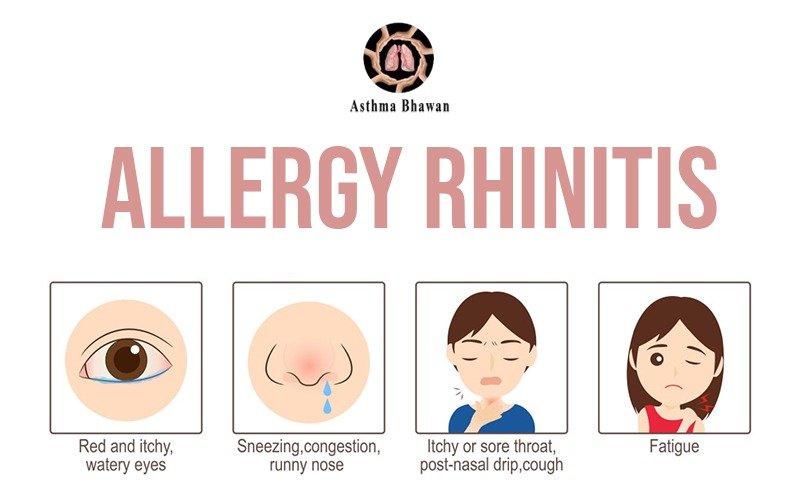
- Red or watery eyes
- Nasal stuffiness (congestion), sneezing, and a runny nose
- More mucus in your throat and nose
- Dark circles under your eyes, sinus congestion, and headaches
- Postnasal drip, or a sore throat caused by mucus pouring down your throat
- Tiredness
- Coughing, wheezing, and trouble breathing
What Causes Hay Fever (Allergic Rhinitis)
Allergy rhinitis is the result of your body's immune system reacting to an allergen in the air. The allergens (irritants) are so small that they are easily inhaled by the mouth or nose. Allergens are harmless to most people. Your immune system, however, believes the allergen is intruding if you have hay fever. Your immune system releases natural substances into your bloodstream in an attempt to defend your body. Understanding the exact cause is essential for effective management, and consulting an Allergy Rhinitis specialist in Jaipur can help in locating triggers, offering precise diagnoses, and suggesting individualized therapies to manage symptoms and enhance general health.
The main chemical is called histamine. As they attempt to expel the allergen from your body, it makes the mucous membranes in your eyes, throat, and nose swell and itch. Numerous allergens can cause allergic rhinitis, including:
- Pollen from trees, grass, and weeds
- Dust mites that reside in furniture, bedding, draperies, and carpets
- Mold spores
- Pet dander (tiny flakes of dead skin cells)
- Cockroaches (their saliva and waste)
Inflammation of the nose and throat can also be caused by food allergies. Get medical attention immediately if you're worried that a certain food is triggering allergy symptoms on a regular basis because food allergies can be fatal.
What are the Risk Factors for Hay Fever?
Since allergies run in families, having a parent or close relative with allergies increases your risk of developing hay fever. People who have eczema or asthma are also more likely to develop hay fever.
Diagnosis and Tests
How is hay fever diagnosed?
You will be examined, questioned about your symptoms, and checked for other illnesses like asthma or a cold by your healthcare practitioner. They can also perform allergy tests. A blood sample is used to assess antibodies to an allergen in a blood allergy test. This blood test is called an immunoglobulin E (IgE) test. The majority of allergy types, including food allergies, can be detected by it.
Your doctor might also suggest an intradermal test or a skin prick to identify the allergens causing your symptoms. During a skin prick test, your healthcare provider applies a small sample of different allergens to your skin, usually on your back or forearm. Your skin gets pricked or scratched with a needle. The area will turn red, itchy, and inflamed within 15 to 30 minutes if you have an allergy to that particular allergen. Similar procedures are used for intradermal testing, but your allergist applies the allergen beneath your skin. The same applies to how your skin reacts to a prick test.
Management and Treatment
How can allergic rhinitis, or hay fever, be cured?
A number of allergy drugs can help you manage your hay fever symptoms. These treatments come in many forms, including pills, eye drops, liquids, injections, and nasal sprays. Consulting an Allergy Rhinitis specialist in Jaipur ensures a proper diagnosis, personalized treatment plan, and expert guidance on long-term management, and helps patients breathe easier and enhance their overall quality of life.
- Antihistamines
- Decongestants
- Corticosteroid nasal sprays
- Leukotriene Inhibitors
- Immunotherapy
An allergic reaction known as allergic rhinitis results in a runny nose, itchy eyes, nasal congestion, and sneezing.
Dust mites, pollen, mold, pet dander, and specific foods are examples of common triggers.
Diagnosis is done through physical examination, medical history, and allergy tests.
Yes, an allergy rhinitis specialist can provide proper diagnosis and personalized care.
Yes, decreasing exposure to allergens, keeping surroundings and environment clean, and using air purifiers help manage symptoms.