Undergoing A Bronchoscopy? Here’s What You Need to Know
Bronchoscopy is a minimally invasive procedure that allows a healthcare provider to look inside your airways and lungs. By identifying lung issues and providing treatment and a management plan, this diagnostic and therapeutic method serves as a window into the lungs. Doctors can see the respiratory system up close due to this device's light and camera. It can be used to remove foreign items, clear mucus, get tissue samples (biopsy), and identify lung illnesses, infections, tumors, or obstructions. Although some patients may have slight discomfort or coughing following the treatment, it is generally safe and less intrusive because it is typically performed under local anesthesia and sedation.
Asthma Bhawan provides a helpful and easy-to-understand guide on bronchoscopy for patients who need this procedure. During a bronchoscopy, a thin, flexible tube with a camera at the end allows medical professionals to view into your lungs and airways. At Asthma Bhawan, patients are guided step-by-step about what to expect before, during, and after the procedure. Doctors can use the test to determine the cause of infections, breathing issues, or any abnormal lung growths. The team at Asthma Bhawan guarantees that patients feel comfortable and safe, delivering treatment with skilled hands and describing everything in plain terms.
Why is Bronchoscopy Performed?
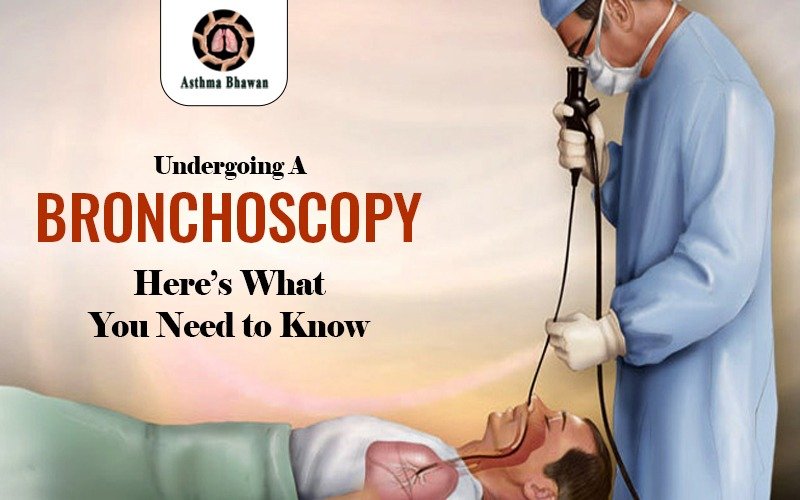
A narrow tube called a bronchoscope is placed into your mouth or nose, down your trachea, and into your larger airways. The end of it has a light and a camera that the doctor can use to see inside your lungs. Bronchoscopy serves multiple purposes:
Diagnosing: A bronchoscopy test can be used to view the condition of the lung tissue and bronchi. Thus, infection, inflammation, or other growths can be noticed. The reasons for persistent coughs, persistent infections, or localized lung abnormalities found in imaging examinations can be very helpful.
Removing lockages or Foreign Objects: Sometimes the airways are blocked by mucous plugs, foreign objects, or other obstructions. By clearing these blockages, bronchoscopy aids in reestablishing regular airflow.
Obtaining Tissue Samples (Biopsies): If a patient has certain lung disorders, a bronchoscopy is a good way to get tissue or fluid samples. These samples are taken to examine lung cancer, tuberculosis, or any kind of fungal infection for better treatment.
Treating Conditions: Bronchoscopy can also be therapeutic. It helps to expand constricted airways, control bleeding, and treat tumors. For these goals, a variety of methods can be employed, such as cryotherapy, stent implantation, or laser therapy.
Types of Bronchoscopy
Bronchoscopy can be performed using different instruments. It depends on one’s clinical condition.
- Flexible Bronchoscopy: The most prevalent kind is this one. It uses a thin and flexible tube containing a light and a camera at the end. Surgeons can go through the airways with ease because of this gadget. Biopsies and the removal of other minor impediments become hassle-free. Local anesthesia is typically used during flexible bronchoscopy procedures. As a result, this process guarantees a quicker recovery and is less invasive.
- Rigid Bronchoscopy: This procedure uses a straight and rigid tube. It is generally performed under general anaesthesia. Only in some circumstances is this procedure advised by a skilled pulmonologist. For instance, stopping severe bleeding or eliminating large foreign objects. More control is possible with rigid bronchoscopy. It is usually appropriate in cases of emergency or when a medical problem can be resolved with intensive therapeutic interventions.
The Bronchoscopy Procedure
You can feel less anxious if you know how a bronchoscopy works. This step-by-step guide will prepare you for what to expect.
- Preparation: It is frequently necessary for patients to fast for a few hours before the type of operation. To verify the necessity and safety of the procedure, certain imaging tests, such as a CT scan or chest x-ray, may be performed before it.
- Anaesthesia: To make the patient comfortable and anesthetize the throat during a flexible bronchoscopy, a sedative and local anesthetic are utilized. Due to its relatively invasive nature, rigid bronchoscopy is carried out under general anaesthesia.
- Insertion and Examination: The bronchoscope enters the lungs gradually through the mouth or nose. To observe the airways, the doctor uses an operative camera at the end of the bronchoscope to transfer images to a monitor. In this stage, investigations may be carried out that involve taking tissue samples and determining possible treatments.
- Recovery: After the surgery, patients are kept under observation until the anesthesia's effects subside. Usually, the patients get discharged in a while. However, for at least 24 hours, doctors advise against engaging in vigorous activity.
Risks Associated with Bronchoscopy
A few bronchoscopy side effects are also possible, just like with any other medical operation.
- Bleeding: Minor bleeding, particularly in cases of biopsies.
- Infection: Minimal chance of causing or worsening infections
- Pneumothorax: It’s a rare complication. The space between the chest wall and the lung is where the air seeps in. The lungs may possibly collapse as a result.
- Reactions to Anaesthesia: Adverse reactions to anaesthesia.
Aftercare Instructions
Following the advice of the medical professional is crucial for a speedy recovery following a bronchoscopy.
- Rest: Spend a day or two away from physically demanding activities. This will help your body heal more quickly.
- Hydration and Nutrition: After the anesthesia wears off, you can begin eating. However, avoid overeating. Eat small meals and drink lots of water to start.
- Symptoms Monitoring: Be vigilant for abnormal signs. This may include:
- Chest Pain
- Difficult Breathing, or
- Significant Bleeding
If any of these symptoms persist for a long time, consult your doctor.